Why gums bleed
Healthy gums are firm, pink and don't bleed when you brush. When plaque, a sticky film of bacteria, builds up along the gumline, the gums react with inflammation. Inflamed gums are swollen, tender and bleed easily. This early stage is called gingivitis.
If it isn't addressed, gingivitis can progress to periodontitis, where the gums pull away from the teeth, pockets form and the bone that holds the teeth in place can be damaged. The National Institute of Dental and Craniofacial Research notes that gum disease is a leading cause of tooth loss in adults.
Other common causes
Plaque is the most common reason, but it's not the only one:
- Brushing too hard or using a hard-bristled toothbrush
- Starting to floss after a long break (the bleeding usually improves within a week or two)
- Hormonal changes, such as pregnancy
- Some medications, including blood thinners
- Smoking, which also hides the warning signs
- Diabetes, which makes gum infections more likely
- Low vitamin C in the diet
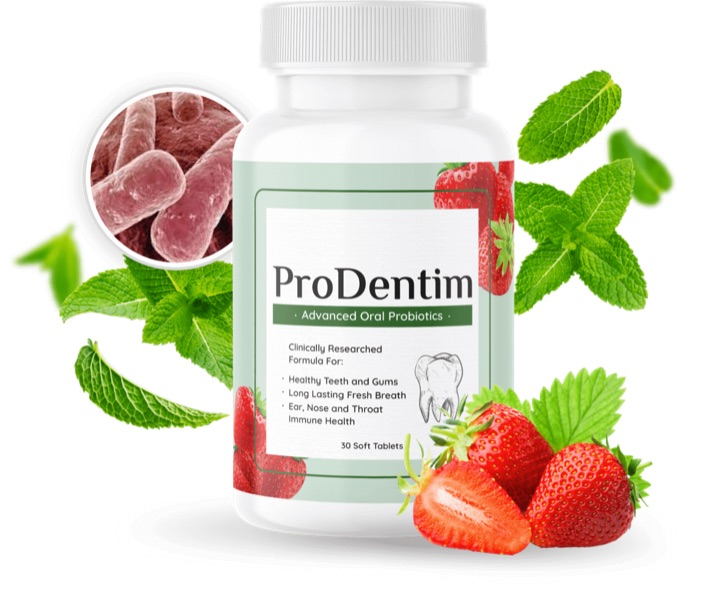
An oral probiotic that's one of the most searched gum health products of 2026. We checked the ingredients, the price and the 60-day refund.
Read our ProDentim reviewThe role of good bacteria in your mouth
Your mouth is home to hundreds of types of bacteria. Some cause problems, but many are helpful: they compete with harmful bacteria and help keep the gums calm. Researchers increasingly look at oral health as a question of balance, not just of killing germs.
That's why probiotics, the same kind of beneficial bacteria found in yogurt, are being studied for the mouth. Strains such as Lactobacillus reuteri have shown promising results in small trials on gum inflammation and plaque. The evidence is still growing, and probiotics work alongside brushing and flossing, not instead of them.
Bleeding gums and your overall health
Your mouth doesn't work in isolation. Researchers have linked gum disease with other health conditions, including diabetes and heart disease. With diabetes the link goes both ways: high blood sugar makes gum infections more likely, and gum inflammation can make blood sugar harder to manage.
Scientists are still studying exactly how these connections work, but the takeaway is simple: taking care of your gums is part of taking care of your whole body. If you have diabetes, a heart condition or you're pregnant, tell your dentist, and don't put off a visit when your gums bleed.
The good news is that early gum problems respond well to daily care. Many people notice firmer, less tender gums within a few weeks of brushing gently, flossing every day and keeping their mouth's bacteria in balance.
What helps, starting today
These steps are what dentists most often recommend for bleeding gums:
- Brush twice a day for two minutes with a soft-bristled brush, angled toward the gumline
- Floss or use interdental brushes once a day, gently, even if the gums bleed at first
- Replace your toothbrush every three months
- Cut back on sugary snacks and drinks, which feed plaque bacteria
- Drink water after meals and coffee
- Stop smoking, if you smoke
- Keep regular dental checkups and cleanings
When to see a dentist
Book a visit if bleeding doesn't improve after two weeks of good brushing and flossing, or sooner if you notice gums pulling away from your teeth, loose teeth, pus, persistent bad breath, pain when chewing or a change in your bite. These can be signs of periodontitis, which needs professional treatment.
Frequently asked questions
Is it normal for gums to bleed when flossing?
A little bleeding is common when you start flossing again, and it usually stops within one to two weeks. Bleeding that continues is a sign to see your dentist.
Can bleeding gums heal on their own?
Early gingivitis often improves with better brushing, daily flossing and a professional cleaning. More advanced gum disease needs a dentist.
Do oral probiotics help gums?
Some small studies suggest certain probiotic strains may help reduce gum inflammation and plaque. They're best used as a complement to brushing and flossing.
Next step: see what buyers say, what it costs and how the refund works.
Read our ProDentim review