What the cinnamon and honey ritual is
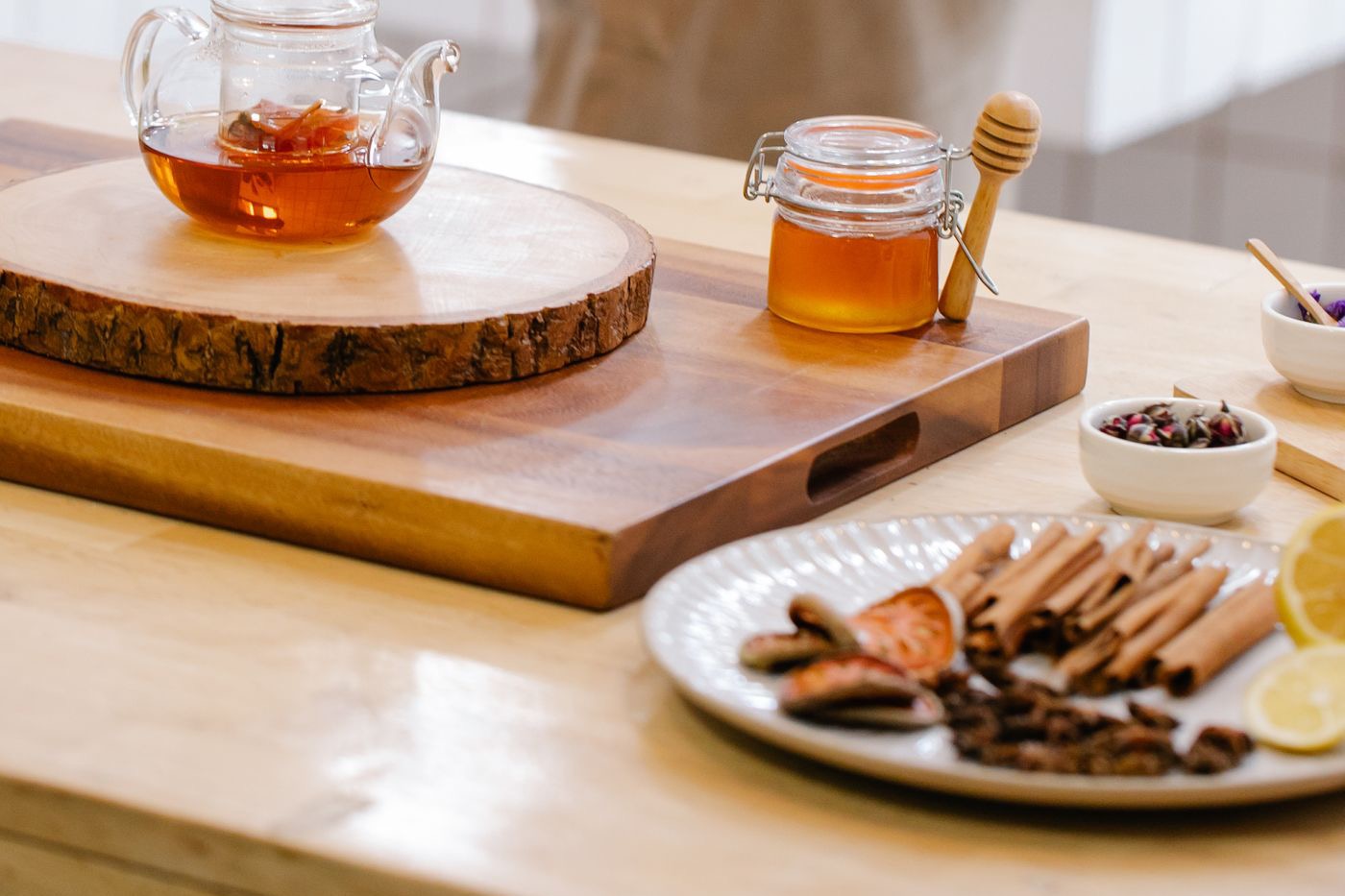
The ritual is simple: a teaspoon of raw honey with about half a teaspoon of ground cinnamon, taken in the morning, stirred into warm water or tea, or eaten straight from the spoon. In online videos it's often called a "memory ritual" or a "honey trick", and it's promoted as a natural way to clear brain fog, stop forgetting names and keep the mind sharp with age.
It spreads because it hits a nerve. Almost everyone over 50 has walked into a room and forgotten why, or felt a word slip away mid-sentence. A kitchen remedy that takes ten seconds feels like a small, hopeful thing to try. The question is what it can really do.
Why your brain is so hungry
To understand the ritual, start with the brain itself. It's about 2% of your body weight, but it uses roughly 20% of your oxygen and energy. It can't store much fuel, so it depends minute by minute on a steady supply of blood carrying oxygen and glucose.
Two things decide how well that supply works. The first is blood flow: tiny vessels need to relax and open so blood can reach every neuron. The second is how well your body handles sugar: brain cells need glucose, but the big spikes and crashes that come with insulin problems are linked to poorer memory over time. Researchers have even nicknamed Alzheimer's disease "type 3 diabetes" because of how closely brain health and blood sugar are connected.
That's the real logic behind cinnamon and honey: both are studied for how they affect blood sugar, inflammation and the vessels that feed the brain.
 Our reviewMemoHoney★★★★★★★★★★4.7/5Read our review →
What cinnamon does in your body
Cinnamon is the most studied half of the ritual. Its compounds, especially cinnamaldehyde and polyphenols, are researched for helping the body respond to insulin. Several studies in people with type 2 diabetes found modest drops in fasting blood sugar, although results vary from study to study.
On the brain side, most of the evidence comes from lab and animal research. In mice, a compound the body makes from cinnamon was linked to better learning and memory, and cinnamon extracts have been studied for how they affect the proteins involved in Alzheimer's. These are early findings, not proof that cinnamon protects human memory, but they explain why researchers keep looking at it.
One caution: the common supermarket type, cassia cinnamon, contains coumarin, which can harm the liver in large amounts. Half a teaspoon a day is generally fine for most adults; Ceylon cinnamon contains much less coumarin.
What honey does in your body
Honey brings antioxidants, mainly flavonoids and phenolic acids, which help neutralize the free radicals that wear down cells over time, including brain cells. Small studies, including one in postmenopausal women, found that daily honey was linked to better short-term memory compared with no honey.
Honey is still a sugar, though. A teaspoon has about 6 grams of sugar, so the ritual works best as a small, steady habit, not a heaping spoonful. If you have diabetes, talk to your doctor before adding it.
Does the ritual actually help memory?
Here's the honest answer: there's no large human study proving that cinnamon and honey together improve memory. What does exist is a sensible idea backed by smaller pieces of research: steadier blood sugar, more antioxidants and healthy blood vessels are all good for the brain.
And the ritual has one more thing going for it: it's a daily habit. People who take a few minutes every morning for their brain health tend to also sleep better, move more and eat better, and those habits matter for memory as much as anything in a jar.
So the ritual is worth doing. Just think of it as part of a bigger picture: your brain needs steady fuel and good blood flow every single day.
How to make the cinnamon and honey drink
Stir 1 teaspoon of raw honey and 1/2 teaspoon of Ceylon cinnamon into a cup of warm (not boiling) water or green tea. Drink it in the morning, ideally before breakfast. Boiling water can break down some of honey's natural compounds, so let the water cool for a minute first.
Keep it to once a day. More cinnamon isn't better, and more honey just adds sugar.
Signs your memory needs more support
Occasional forgetfulness is normal at any age. These are common signs people notice when their brain feels underfed: losing words or names more often, reading the same paragraph twice, a heavy afternoon fog, trouble following conversations in noisy places, and feeling mentally tired even after a good night's sleep.
If memory problems are getting worse quickly, or they affect your safety or daily life, see a doctor. Sudden changes always deserve a check-up.
Going a step further: blood flow to the brain
If the ritual makes sense to you, the next logical step is the part it can't fully cover: blood flow. Your brain only gets what your blood vessels can deliver, and that's where nitric oxide comes in, the molecule your body uses to relax and widen blood vessels.
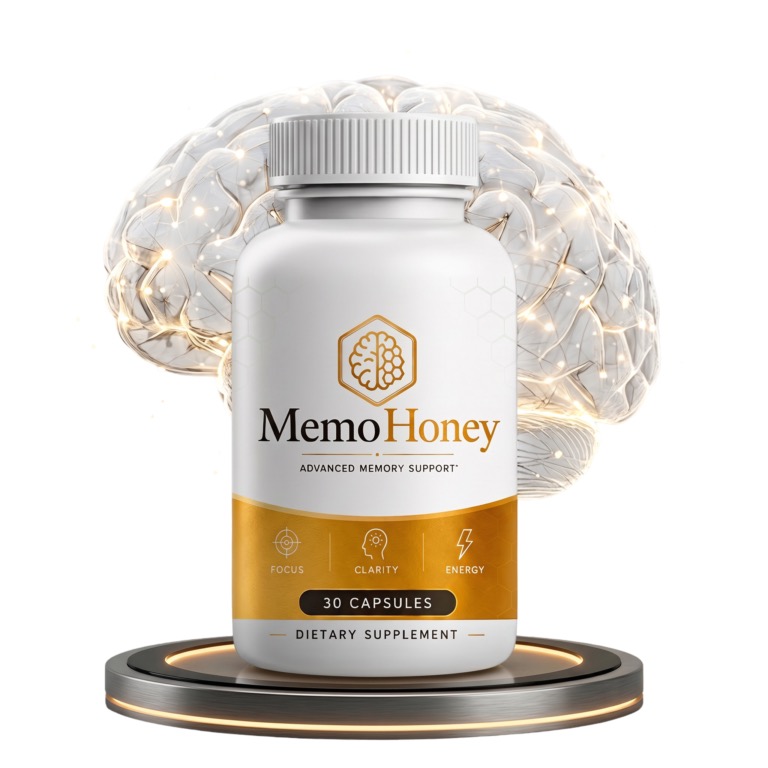
The body makes nitric oxide from two amino acids, L-arginine and L-citrulline. Both are widely studied for circulation, and they're the backbone of some newer memory formulas designed to be taken once a day, as easily as the morning spoonful. One of the most searched this year is MemoHoney, a daily capsule built around the same goal as the ritual: keeping a hungry brain well fed.
Frequently asked questions
Is cinnamon and honey good for memory?
Both are studied for blood sugar, antioxidants and blood vessel health, which matter for the brain. Most of the memory research is early or small, so think of it as a supportive daily habit, not a treatment.
How much cinnamon and honey should I take a day?
A common amount is 1 teaspoon of honey and 1/2 teaspoon of cinnamon once a day. Ceylon cinnamon is the safer choice for daily use.
When is the best time to take cinnamon and honey?
Most people take it in the morning, before breakfast, in warm water or tea.
Can people with diabetes take cinnamon and honey?
Talk to your doctor first. Honey adds sugar, and cinnamon may change how blood sugar medications work.
What else supports memory naturally?
Good sleep, regular exercise, a diet rich in vegetables and healthy fats, staying social and supporting healthy blood flow to the brain all play a role.
The cinnamon and honey ritual is all about feeding a hungry brain. MemoHoney is a one-capsule daily formula built around the same goal, with nutrients for blood flow to the brain. See what's inside, what it costs and how the 60-day refund works.
Read our MemoHoney review →Sources
- NCCIH: Cinnamon
- National Institute on Aging: Memory Problems, Forgetfulness, and Aging
- MedlinePlus: L-Arginine
This article is for information only and is not medical advice. Talk to your doctor before changing your diet or starting a supplement.