What biotin does
Biotin is a water-soluble B vitamin that helps enzymes turn food into energy. It also plays a role in making keratin, the structural protein of hair, skin and nails. You get it from eggs, nuts, seeds, salmon, sweet potatoes and avocados, and your gut bacteria make some too.
Does biotin help hair grow?
Biotin deficiency causes thinning hair, brittle nails and a scaly rash, and correcting it helps. Most people get enough from food, so the benefit for everyone else is less clear. Small studies found biotin improved brittle nails, and many people report thicker, stronger hair. If your hair problem is genetic or hormonal, biotin alone won't fix it, but as part of overall nutrition it's a low-risk addition.
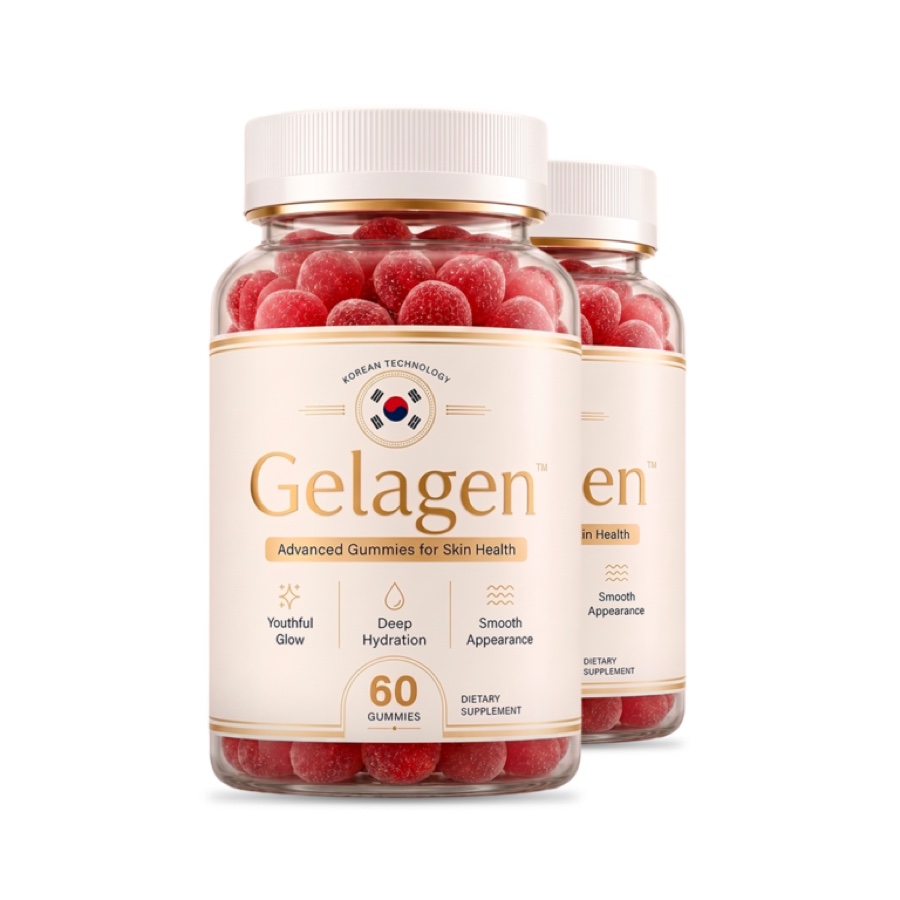 Our reviewGelagen★★★★★★★★★★4.7/5Read our review →
Who may benefit most
These groups are more likely to be low in biotin:
- Pregnant and breastfeeding women
- People who drink alcohol heavily
- People taking certain anti-seizure medicines or long-term antibiotics
- People with digestive conditions that affect absorption
- People who eat raw egg whites often (they block biotin absorption)
How much biotin to take
The adequate intake for adults is only 30 mcg a day, which a normal diet usually covers. Hair, skin and nail supplements often contain 2,500 to 10,000 mcg. Since biotin is water-soluble, extra amounts leave the body in urine and serious side effects are rare. Taking biotin with other B vitamins, zinc and vitamin C covers more of what hair needs.
How long biotin takes to work
Hair grows about half an inch a month, and nails even more slowly. Most people need at least 3 months of daily use to notice thicker hair or stronger nails. Take a photo on day one so you can compare.
Side effects and the lab test warning
Biotin is generally safe, but high doses can make some blood tests read falsely high or low, including thyroid tests and the troponin test used to detect heart attacks. Tell your doctor you take biotin before any blood work; you may be asked to stop for a few days. Some people also notice mild acne or stomach upset.
Biotin for skin and nails
Biotin is popular for nails because studies on brittle nails are the most encouraging. For skin, biotin works alongside other nutrients: vitamin C for collagen, vitamin E as an antioxidant, zinc for repair and B vitamins for cell renewal. That's why most beauty supplements combine them instead of using biotin alone.
Foods rich in biotin
You can get biotin from everyday foods. Cooked eggs are one of the best sources, since the yolk is rich in biotin. Salmon, pork, beef liver, sunflower seeds, almonds, sweet potatoes, spinach and broccoli also provide it. Cooking eggs matters: raw egg whites contain avidin, a protein that binds biotin and stops it from being absorbed. A balanced diet covers the basic need, and supplements provide the higher amounts often used for hair and nails.
Frequently asked questions
Does biotin really make hair grow faster?
It helps when you're low in biotin. For others, results vary; many people report thicker hair and stronger nails after 3 months.
Is 5,000 mcg of biotin too much?
It's a common supplement dose and generally safe, but tell your doctor before blood tests.
Can biotin cause hair loss?
No, biotin doesn't cause hair loss. Shedding while taking it usually has another cause.
What's better for hair, biotin or collagen?
They do different things. Biotin supports keratin; collagen provides amino acids. Many people use both.
Gelagen is a two-a-day gummy with 5,000 mcg of biotin plus vitamins B12, B6, folate, C, D3, E and zinc, made for skin, hair and nails. See what's inside, the price and the 60-day refund.
Read our Gelagen review →Sources
- NIH Office of Dietary Supplements: Biotin
- American Academy of Dermatology: Hair loss
- PubMed: Biotin interference with lab tests
This article is for information only and is not medical advice. Talk to your doctor before changing your diet or starting a supplement.