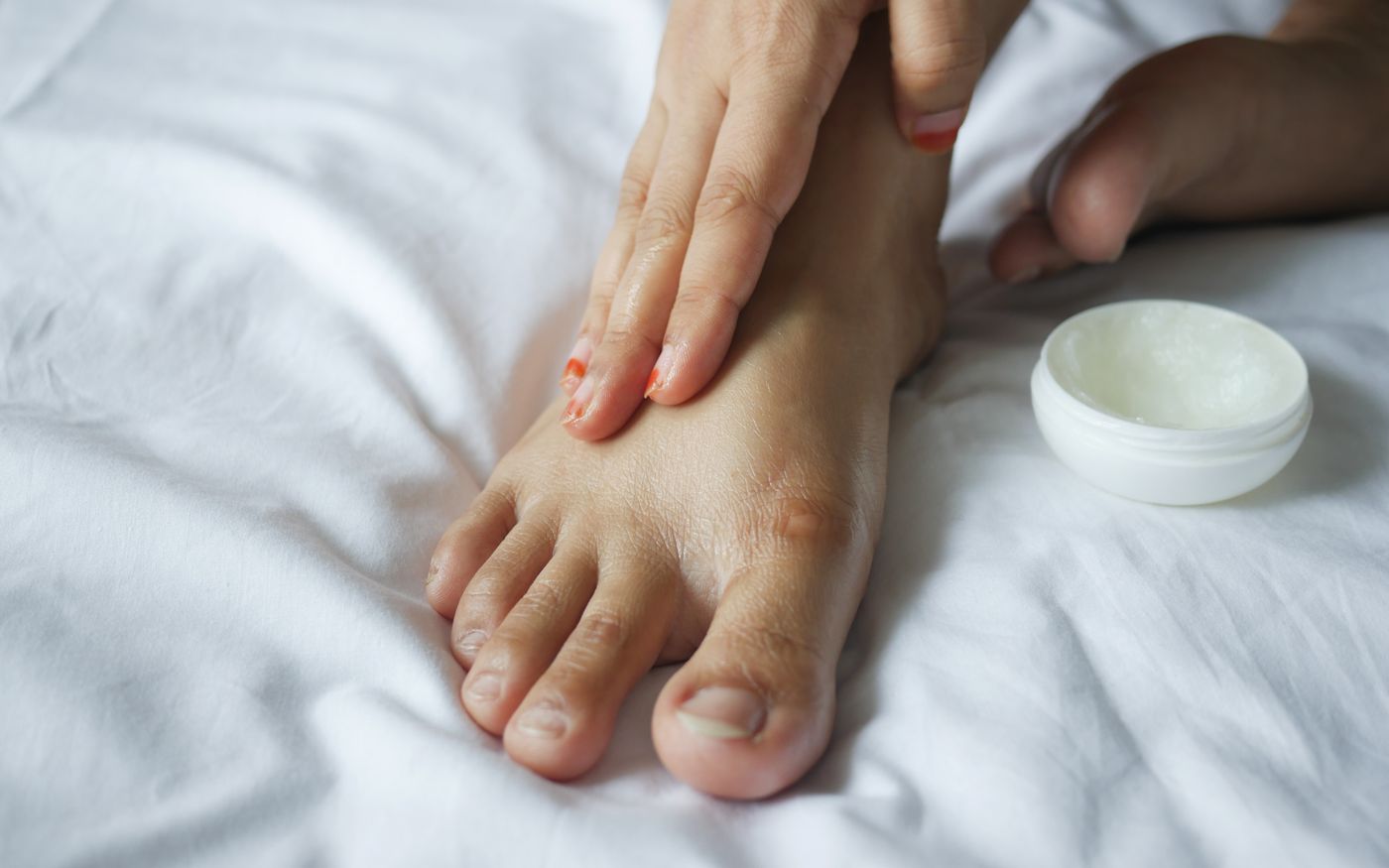
What athlete's foot is
Athlete's foot (tinea pedis) is a fungal skin infection, usually between the toes or on the soles. The same type of fungi can also infect the toenails, which is why untreated athlete's foot often leads to nail fungus.
Symptoms
Common signs include:
- Itching, stinging or burning between the toes
- Peeling, cracking or scaly skin
- Redness or small blisters
- Dry skin on the soles that spreads up the sides of the foot
- An unpleasant smell
How you catch it
The fungi thrive in warm, damp places: locker rooms, pool decks, shared showers and sweaty shoes. You can catch it by walking barefoot in these places or by sharing towels and socks.
Treatment
Most cases clear with over-the-counter care:
- Antifungal creams, sprays or powders (such as terbinafine, clotrimazole or undecylenic acid), used for the full time on the label
- Keep using the treatment for a week or two after the skin looks clear
- Wash and dry your feet well, especially between the toes
- Change socks daily, or more often if they get damp
How to stop it spreading
Wear sandals in shared showers, don't share towels, let shoes dry out between wears, and treat any nail changes early. Dry your feet last after a shower so you don't spread fungus to other areas with the towel.
When to see a doctor
See a doctor if it doesn't improve after two weeks of treatment, spreads, becomes painful or swollen, or if you have diabetes or poor circulation.
Who gets athlete's foot
Despite the name, you don't have to be an athlete. It's common in people who wear closed shoes for long hours, sweat a lot, use shared showers or pools, or have a weakened immune system. People with diabetes are more likely to get it and to have complications, so they should treat it promptly.
Daily foot care that prevents it
Simple habits keep the fungus away:
- Wash your feet daily and dry carefully between the toes
- Use an antifungal or drying powder if your feet sweat
- Wear breathable socks made of cotton or moisture-wicking fabric
- Rotate shoes so each pair dries for a day
- Wear sandals in locker rooms, gyms and around pools
- Wash socks and towels in hot water
Athlete's foot vs dry skin or eczema
Dry skin and eczema can also cause peeling and itching, but they usually affect both feet evenly and don't smell. Athlete's foot often starts between the fourth and fifth toes and may have a sharp edge or small blisters. If antifungal treatment doesn't help after two weeks, a doctor can check whether it's something else.
Should you see a doctor?
Most cases clear with over-the-counter care, but a doctor can prescribe stronger creams or pills when it keeps coming back, spreads to the nails or covers a large area. See a doctor promptly if the skin cracks open and becomes red, warm or swollen, since that can signal a bacterial infection on top of the fungus.
Can a topical product help?
Many people use antifungal sprays or oils that combine undecylenic acid with plant oils like tea tree. Undecylenic acid is an FDA-recognized over-the-counter antifungal ingredient for athlete's foot, and plant oils help soothe dry skin.
Frequently asked questions
Does athlete's foot go away on its own?
Rarely. It usually needs an antifungal treatment and dry feet to clear.
Can athlete's foot spread to toenails?
Yes. The same fungi can infect the nails, which is harder to treat.
How long does athlete's foot last?
With treatment, most cases clear in two to four weeks.
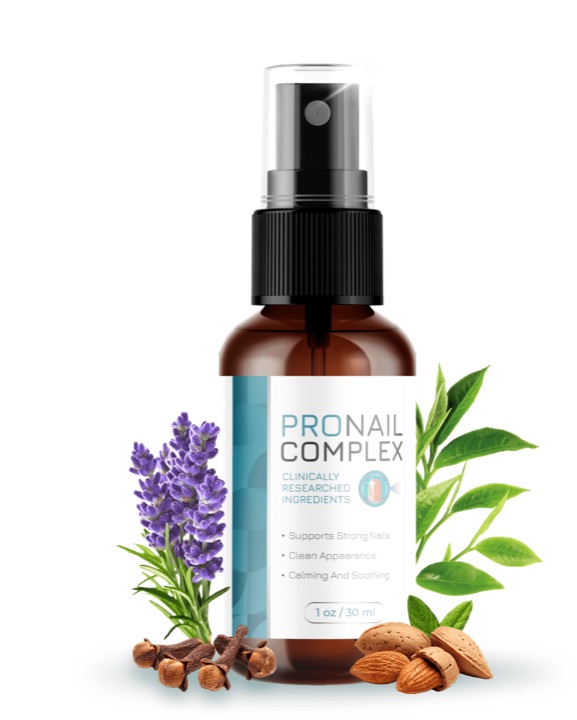
Dealing with fungus on the skin and nails? See what we found when we reviewed a popular antifungal spray.
Read our ProNail Complex review →Keep reading
 Dental HealthBad Breath: Causes and How to Get Rid of It for Good3 min read
 Dental HealthBleeding Gums When Brushing: Causes, What Helps and When to Worry3 min read
 Blood SugarBlood Sugar Spikes After Eating: Why They Happen and 8 Ways to Keep Them Steady3 min read