
What gingivitis is
Gingivitis is inflammation of the gums caused by plaque, the sticky film of bacteria that builds up on your teeth every day. When plaque stays along the gumline, the bacteria irritate the gum tissue and your body responds with redness and swelling.
It's the earliest stage of gum disease, and the most common one: most adults have it at some point. Unlike the later stage, periodontitis, gingivitis hasn't damaged the bone that holds your teeth, which is why, according to the NIDCR, it can usually be turned around.
Early signs to look for
Gingivitis is often painless, so many people miss it. These are the signs dentists look for:
- Gums that bleed when you brush or floss
- Red or dark red gums instead of firm, pale pink
- Puffy or tender gums
- Bad breath that keeps coming back
- Gums that look like they're pulling away slightly
What causes it
Plaque is the main cause, but some things make it more likely: skipping flossing, smoking, dry mouth, hormonal changes (pregnancy, menopause), diabetes, some medications and a diet high in sugar. Stress and poor sleep can also make the gums react more strongly.
How to get gingivitis under control at home
With good daily care, gums usually start to improve within one to two weeks:
- Brush twice a day for two minutes, angling the brush toward the gumline
- Floss or use interdental brushes once a day
- Use a soft-bristle brush and replace it every three months
- Rinse with an antibacterial mouthwash if your dentist recommends it
- Cut back on sugary snacks and drinks between meals
- Drink water through the day to keep saliva flowing
- Don't smoke
When to see a dentist
Book a visit if bleeding lasts more than two weeks, your gums are receding, a tooth feels loose, or you notice pus or a bad taste. A professional cleaning removes hardened plaque (tartar) that brushing can't.
Gingivitis vs periodontitis
Gingivitis affects only the gums. If it isn't treated, the inflammation can move below the gumline and become periodontitis, where the tissue and bone that hold the teeth start to break down. Signs of periodontitis include gums pulling away from the teeth, pockets between teeth and gums, loose teeth and a change in your bite. Periodontitis can be managed by a dentist, but the damage to bone doesn't come back, which is why catching gingivitis early matters so much.
A simple daily routine for healthier gums
Consistency matters more than any single product. A routine many dentists suggest:
- Morning: brush for two minutes with a fluoride toothpaste, angling toward the gums
- After meals: rinse with water or chew sugar-free gum
- Evening: floss or use interdental brushes, then brush again
- Before bed: avoid snacking after you brush
- Every 3 months: replace your toothbrush
- Every 6 months: professional cleaning and check-up
Can a supplement help?
Some people add an oral probiotic to their routine. Research on strains like Lactobacillus reuteri suggests they may help reduce gum inflammation, though studies are still small. A supplement doesn't replace brushing, flossing and dental visits, but it can be one more habit for people who want extra support.
Frequently asked questions
Can gingivitis go away on its own?
Not usually without changes. It improves when plaque is removed every day with brushing and flossing, and a professional cleaning helps.
How long does it take for gingivitis to improve?
With good daily care, many people see less bleeding in one to two weeks.
Is gingivitis contagious?
The condition itself isn't considered contagious, but the bacteria behind it can be shared through saliva.
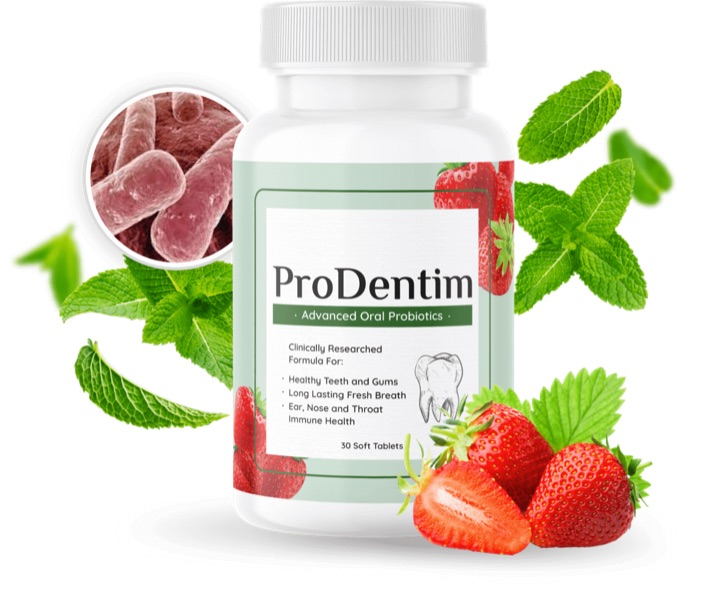
If you want to support your gums from the inside too, see what we found when we checked one of the most popular oral probiotics.
Read our ProDentim review →Keep reading
 Skin, Hair & NailsAthlete's Foot: Symptoms, Treatment and How to Stop It Spreading3 min read
 Dental HealthBad Breath: Causes and How to Get Rid of It for Good3 min read
 Dental HealthBleeding Gums When Brushing: Causes, What Helps and When to Worry3 min read