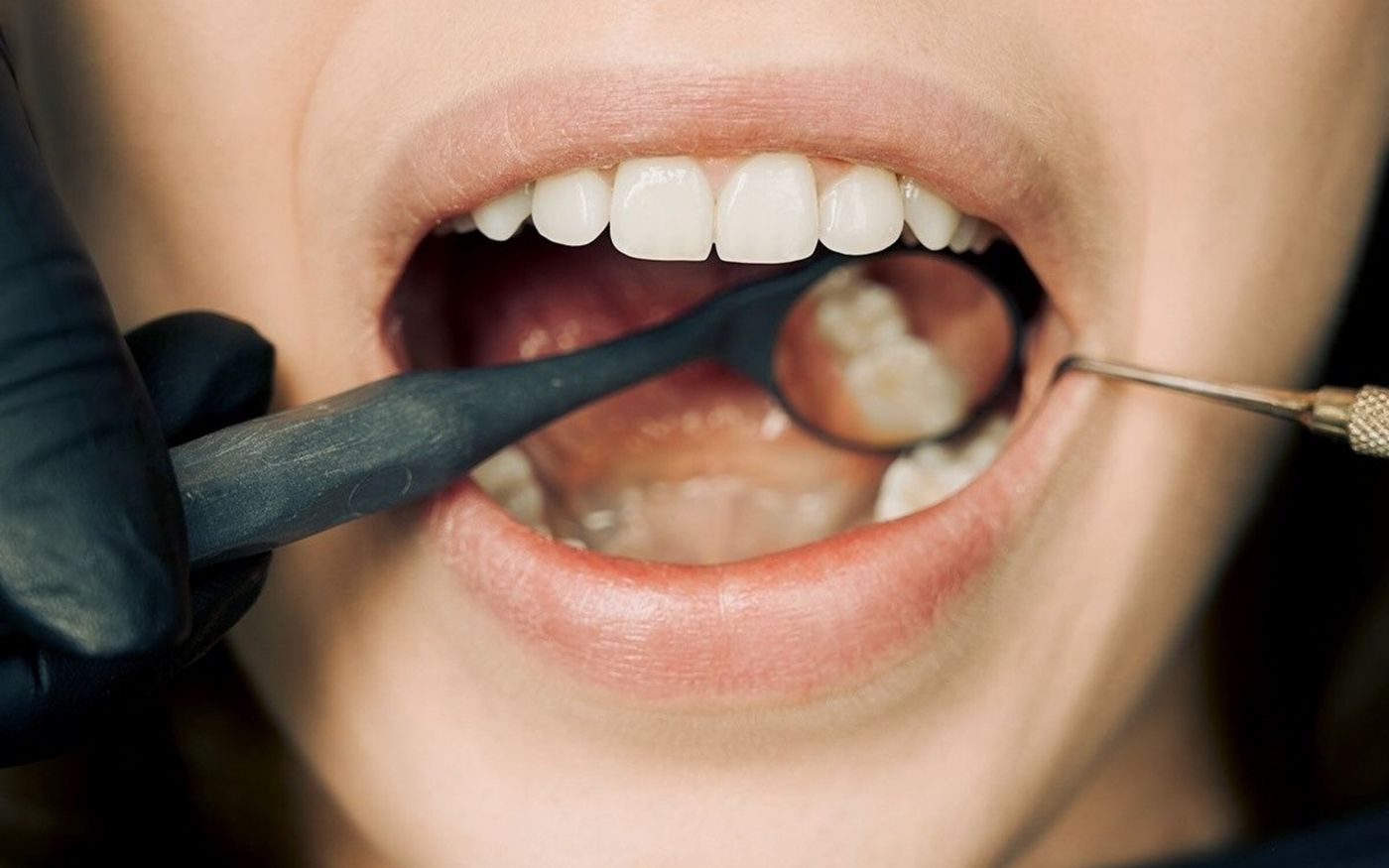
What causes bad breath
In most people, bad breath (halitosis) starts in the mouth. Bacteria break down food particles and dead cells, especially on the back of the tongue and between teeth, and release sulfur compounds that smell. Other common causes:
- Not brushing or flossing enough
- A coated tongue
- Dry mouth, from medications, mouth breathing or not drinking enough water
- Gum disease
- Strong foods like garlic, onion and coffee
- Smoking
- Low-carb diets (they can cause a fruity or acetone smell)
How to tell if you have it
It's hard to smell your own breath. Lick the inside of your wrist, wait a few seconds and smell it, or ask someone you trust. A white or yellow coating on the back of the tongue is another clue.
How to get rid of bad breath
These steps fix most cases within days:
- Brush twice a day for two minutes
- Clean your tongue with a scraper or your brush, back to front
- Floss once a day
- Drink water through the day and limit alcohol
- Chew sugar-free gum to boost saliva
- Replace your toothbrush every three months
- See your dentist for a cleaning and to check for gum disease
When bad breath can mean something else
If bad breath continues even with good oral care, it can be linked to sinus infections, tonsil stones, acid reflux, diabetes or other conditions. Talk to your dentist or doctor if it doesn't improve in two weeks.
Foods that help and foods that hurt
What you eat changes how your breath smells:
- Helpful: water, crunchy vegetables like celery and carrots, apples, green tea, yogurt without added sugar
- Harmful: garlic, onions, coffee, alcohol, sugary snacks and drinks
- Skipping meals can also cause bad breath, because less saliva is produced
- Low-carb diets can cause 'keto breath' while the body burns fat
Dry mouth: a hidden cause
Saliva washes away food and bacteria. When it drops, odor builds quickly, which is why morning breath is worse. Many medications for blood pressure, allergies and depression cause dry mouth, as does breathing through your mouth at night. Sipping water, using a humidifier, chewing sugar-free gum and asking your doctor about your medications can help.
How dentists check for bad breath
If bad breath is worrying you, a dentist can look for the source. They check the tongue, gums and any deep pockets around teeth, look for cavities or old fillings where food gets trapped, and ask about dry mouth and medications. Some practices use a small device that measures sulfur compounds in your breath. Once the cause is found, most cases improve quickly with a cleaning, better tongue care and treating any gum problems, so there's no need to live with it.
Can a probiotic help?
Small studies suggest certain oral probiotic strains, like Streptococcus salivarius K12, may reduce odor-causing bacteria. They're not a replacement for brushing and tongue cleaning, but some people find them a helpful extra.
Frequently asked questions
Why do I have bad breath even after brushing?
The tongue, dry mouth and gum disease are the usual reasons. Clean your tongue and drink more water.
Does mouthwash get rid of bad breath?
It helps for a few hours. Lasting results come from removing the bacteria with brushing, flossing and tongue cleaning.
Can bad breath come from the stomach?
Rarely. Acid reflux can contribute, but most bad breath starts in the mouth.
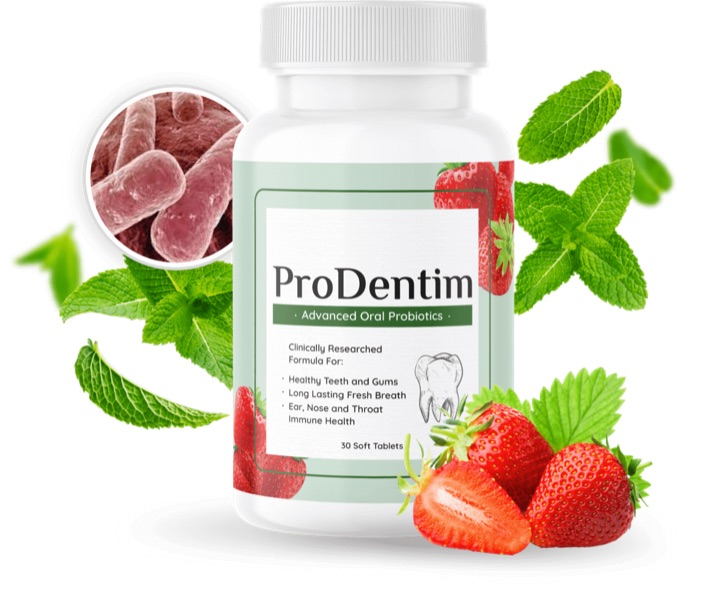
Some people add an oral probiotic to keep odor-causing bacteria in check. See what we found in our review of a popular one.
Read our ProDentim review →Keep reading
 Skin, Hair & NailsAthlete's Foot: Symptoms, Treatment and How to Stop It Spreading3 min read
 Dental HealthBleeding Gums When Brushing: Causes, What Helps and When to Worry3 min read
 Blood SugarBlood Sugar Spikes After Eating: Why They Happen and 8 Ways to Keep Them Steady3 min read