Why blood sugar numbers matter
Blood sugar (glucose) is your body's main fuel. After you eat, it rises, and insulin helps move it into your cells. When that system doesn't work well, glucose stays high, and over the years high levels can damage blood vessels, nerves, eyes and kidneys. Knowing your numbers helps you catch problems early.
The main tests and normal ranges
These are the ranges most US health agencies use for adults without diabetes:
- Fasting blood sugar: under 100 mg/dL is normal; 100 to 125 suggests prediabetes; 126 or higher on two tests suggests diabetes
- A1C (average over about three months): under 5.7% is normal; 5.7% to 6.4% suggests prediabetes; 6.5% or higher suggests diabetes
- Two hours after a glucose drink (oral glucose tolerance test): under 140 mg/dL is normal; 140 to 199 suggests prediabetes
What about after meals?
In healthy adults, blood sugar usually rises after eating and comes back down within two to three hours. Many people stay under about 140 mg/dL after meals. If you have diabetes, your care team will give you your own targets.
What can push your numbers up
Big portions of refined carbs, sugary drinks, little physical activity, poor sleep, stress, some medications and illness can all raise readings. Age, family history and extra weight around the waist raise the risk of insulin resistance.
Simple habits that help
Small daily changes add up:
- Pair carbs with protein, fiber or healthy fat
- Walk for 10 to 15 minutes after meals
- Choose water over sugary drinks
- Aim for 7 to 9 hours of sleep
- Keep a regular meal schedule
How to check your blood sugar at home
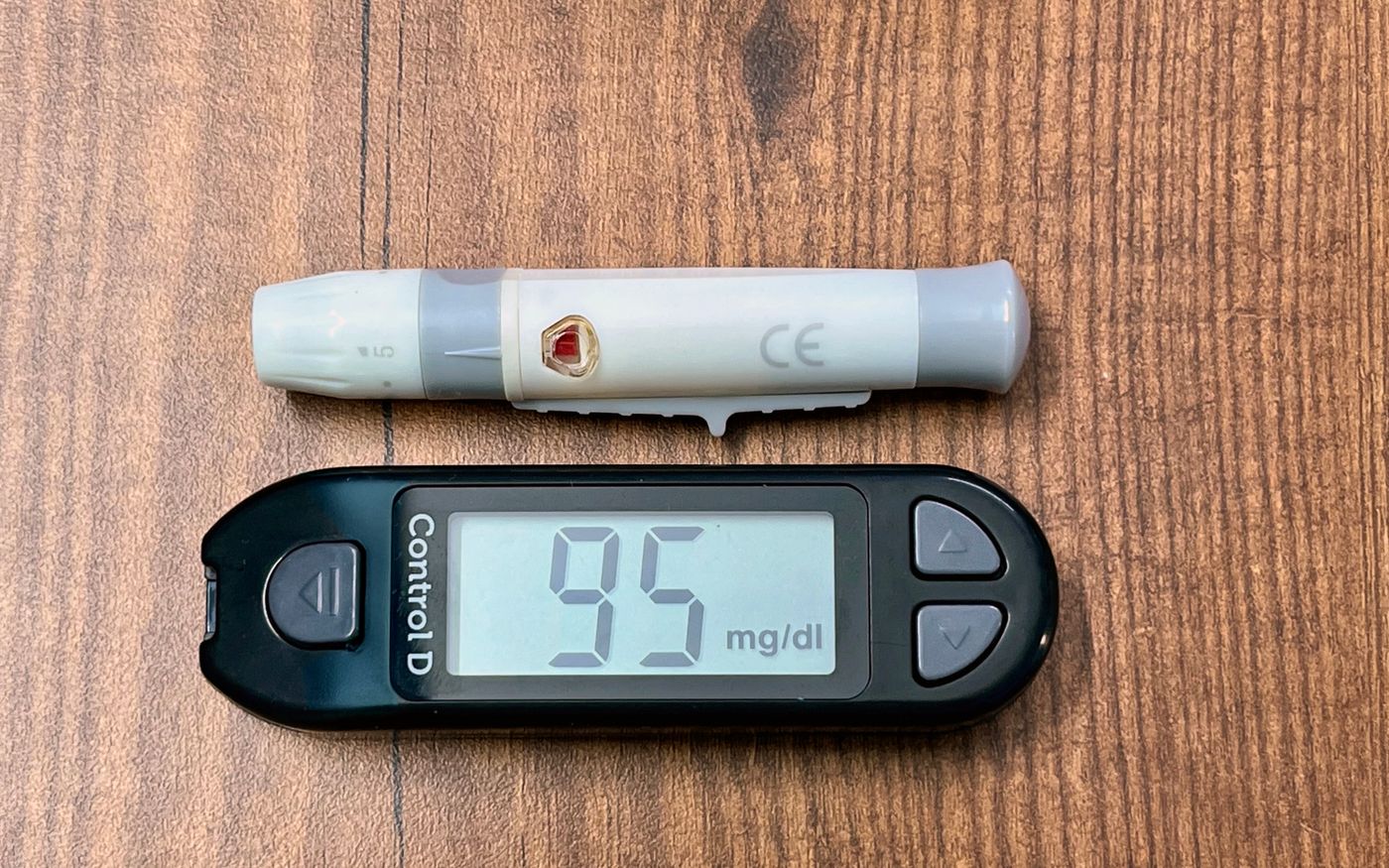
A home glucose meter gives a quick reading from a drop of blood. Wash and dry your hands, use a fresh lancet on the side of your fingertip, place the drop on the test strip and note the number with the time and what you ate. Continuous glucose monitors (CGMs), small sensors worn on the arm, show trends through the day and are now available to more people. One reading on its own matters less than the pattern over days and weeks, which is what your doctor will look at.
Signs your blood sugar may be too high or too low
Know the warning signs:
- High: strong thirst, frequent urination, tiredness, blurry vision, headaches, slow-healing cuts
- Low: shakiness, sweating, fast heartbeat, hunger, irritability, confusion
- Lows are mainly a risk for people on insulin or certain diabetes pills
- Very high or very low readings with confusion or vomiting need urgent care
Can a supplement help?
Some supplements contain ingredients like chromium, gymnema or cinnamon that are studied for blood sugar support. Research is mixed and they don't replace medication or a healthy routine. If you take diabetes medication, ask your doctor first, since some herbs can lower blood sugar further.
Frequently asked questions
What is a normal blood sugar level in the morning?
For adults without diabetes, a fasting level under 100 mg/dL is considered normal.
Is 120 blood sugar normal after eating?
Yes, for most healthy adults a reading around 120 mg/dL one to two hours after a meal is within the usual range.
How often should I check my blood sugar?
If you don't have diabetes, a yearly check-up with your doctor is usually enough. People with diabetes follow their care team's plan.

Many people add a supplement to support healthy blood sugar. We checked one of the most popular ones: label, price and refund.
Read our Sugar Defender review →Keep reading
 Skin, Hair & NailsAthlete's Foot: Symptoms, Treatment and How to Stop It Spreading3 min read
 Dental HealthBad Breath: Causes and How to Get Rid of It for Good3 min read
 Dental HealthBleeding Gums When Brushing: Causes, What Helps and When to Worry3 min read