
Why vision gets blurry
Clear vision depends on light focusing sharply on the retina. Anything that changes the shape of the eye, clouds the lens, dries the surface or affects the retina can blur what you see. Sometimes it's both eyes, sometimes one. Sometimes it comes and goes, sometimes it creeps in over years.
The most common causes
These explain most cases:
- Refractive errors: nearsightedness, farsightedness and astigmatism
- Presbyopia: after about 40, the lens stiffens and close-up reading gets blurry
- Dry eye: the tear film breaks up, making vision blur, then clear after blinking
- Digital eye strain: long screen time without breaks
- Cataracts: a cloudy lens, very common after 60
- Diabetes: high blood sugar can swell the lens and damage retinal blood vessels
- Age-related macular degeneration: blurry or distorted central vision
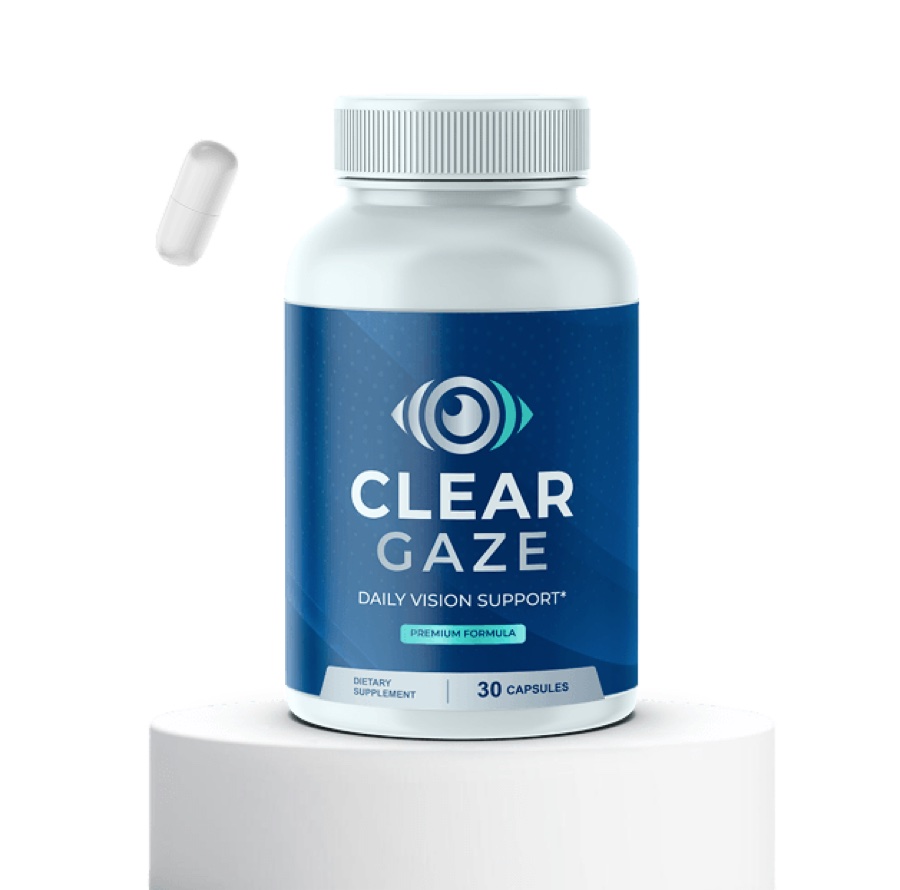 Our reviewClear Gaze★★★★★★★★★★4.7/5Read our review →
When blurry vision is an emergency
Get help right away for:
- Sudden blurry vision or vision loss in one or both eyes
- Blurry vision with a severe headache, confusion, weakness, numbness or trouble speaking (possible stroke)
- Eye pain, redness and blurry vision together (possible acute glaucoma)
- Flashes, many new floaters or a curtain over your vision (possible retinal detachment)
- Blurry vision after an eye injury
Simple fixes for everyday blur
If your vision has changed slowly and you have no warning signs:
- Book an eye exam: an updated prescription fixes most blurriness
- Try reading glasses if close-up text is the problem after 40
- Follow the 20-20-20 rule: every 20 minutes, look 20 feet away for 20 seconds
- Blink fully and use preservative-free artificial tears for dry eye
- Increase text size and lower screen glare
- Wear sunglasses outdoors to protect the lens and retina
Protecting your eyes as you age
Some causes of blurry vision, like cataracts and macular degeneration, develop slowly. You can't stop aging, but you can lower the risk: don't smoke, control blood sugar and blood pressure, wear UV-blocking sunglasses and eat plenty of leafy greens, colorful vegetables and fish. Get a dilated eye exam every one to two years after 60, or as your eye doctor recommends.
Can nutrition help?
No supplement replaces glasses, cataract surgery or medical treatment. But the retina is one of the most nutrient-hungry tissues in the body. Lutein and zeaxanthin concentrate in the macula, vitamin A is essential for vision in dim light, and vitamins C and E, zinc and copper are part of the formulas studied by the National Eye Institute. If your diet is short on greens and colorful produce, a daily eye formula is an easy way to fill the gap.
Questions to ask at your eye exam
Bring a list of what you've noticed: whether the blur is near or far, in one eye or both, worse at night or on screens, and whether it comes and goes. Ask whether your prescription has changed, whether you have early cataracts or dry eye, what your retina and optic nerve look like, and how often you should come back. If you have diabetes, ask whether your retina shows any changes. Small details help your eye doctor find the cause faster, and knowing your baseline makes it easier to spot changes later.
Frequently asked questions
Why is my vision suddenly blurry?
Sudden blurry vision can be serious, especially with headache, weakness or eye pain. Get emergency care right away.
Can blurry vision be fixed?
Most of the time, yes: with glasses, contact lenses, dry eye treatment or cataract surgery, depending on the cause.
Can high blood sugar cause blurry vision?
Yes. High glucose can swell the lens and, over time, damage the retina. Tell your doctor if it happens often.
Do eye vitamins help blurry vision?
They support eye health but don't correct focusing problems. An eye exam is the first step.
Your eyes depend on nutrients like lutein, zeaxanthin and vitamins A, C and E every day. Clear Gaze puts them in one capsule, with bilberry and saffron. See what's inside, the price and the 60-day promise.
Read our Clear Gaze review →Sources
- American Academy of Ophthalmology: Blurry Vision
- National Eye Institute: Eye conditions and diseases
- CDC: Vision Health
This article is for information only and is not medical advice. Talk to your doctor before changing your diet or starting a supplement.