What "improving eyesight" can and can't mean
If you're nearsighted, farsighted or have astigmatism, the shape of your eye bends light in a way that only glasses, contacts or surgery can correct. Presbyopia, the need for reading glasses after 40, comes from a stiffening lens that exercises can't change. What you can do naturally is protect the eyes you have, keep them comfortable and lower the risk of conditions like macular degeneration, cataracts and diabetic eye disease.
9 habits that protect your vision
These are the habits eye doctors recommend most:
- Eat leafy greens like spinach and kale several times a week
- Add colorful produce: carrots, peppers, corn, berries, oranges
- Eat fish rich in omega-3s, like salmon or sardines, twice a week
- Wear sunglasses that block 100% of UVA and UVB rays
- Don't smoke; it's one of the biggest risk factors for macular degeneration and cataracts
- Follow the 20-20-20 rule when using screens
- Keep blood sugar and blood pressure in a healthy range
- Wear protective eyewear for sports and home projects
- Get a comprehensive dilated eye exam as recommended for your age
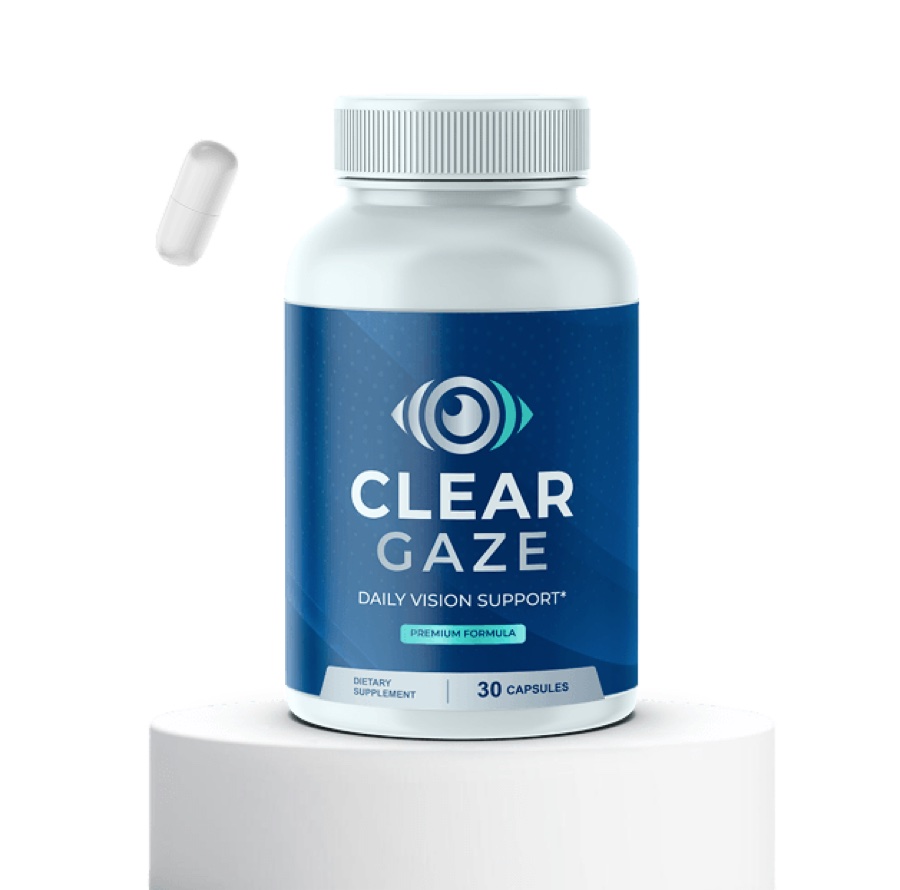 Our reviewClear Gaze★★★★★★★★★★4.7/5Read our review →
The nutrients your eyes need most
Lutein and zeaxanthin are yellow pigments that concentrate in the macula, the part of the retina responsible for sharp central vision, where they help filter blue light and fight oxidative damage. Vitamin A is essential for seeing in low light. Vitamins C and E, zinc and copper were part of the National Eye Institute's AREDS formulas, which helped slow advanced age-related macular degeneration in people at risk. Omega-3 fats support the tear film and retina.
Myths about natural vision fixes
Carrots are good for your eyes, but they won't give you perfect vision; their vitamin A matters most if you're deficient. Eye exercises like palming or focusing drills may relax tired eyes, but they don't correct refractive errors. Pinhole glasses sharpen images temporarily by narrowing light, but they don't train your eyes. Reading in dim light or sitting close to the TV can tire your eyes but doesn't permanently damage them.
Comfort tips for tired eyes
If your eyes feel tired by evening, blink fully and often, use preservative-free artificial tears, adjust your screen so it's slightly below eye level and about an arm's length away, increase text size and reduce glare from windows and overhead lights. A warm compress for a few minutes can relax the eyelids and help oil glands that keep tears from evaporating.
When a supplement makes sense
Most people get good eye nutrients from a varied diet, but many adults eat far fewer leafy greens and colorful vegetables than recommended. A daily eye formula with lutein, zeaxanthin and antioxidant vitamins can help fill that gap. People with intermediate macular degeneration are specifically advised by eye doctors to consider an AREDS2-type formula. Smokers should avoid high-dose beta-carotene.
When to see an eye doctor
See an eye doctor right away for sudden vision loss, flashes of light, a shower of new floaters, a curtain over your vision, eye pain or double vision. Otherwise, adults should have a baseline exam at 40 and regular exams after 60, or more often with diabetes or a family history of eye disease.
Frequently asked questions
Can you improve your eyesight naturally?
You can't correct refractive errors naturally, but healthy habits protect your vision and lower the risk of eye disease.
What foods improve eyesight?
Leafy greens, eggs, colorful vegetables, citrus, nuts and fatty fish supply lutein, zeaxanthin, vitamins and omega-3s.
Do eye exercises work?
They may relax tired eyes, but they don't correct nearsightedness or remove the need for reading glasses.
Are eye vitamins worth it?
They can help fill gaps in your diet, and AREDS2-type formulas are recommended for some people with macular degeneration.
Clear Gaze is a one-a-day capsule with lutein, zeaxanthin, bilberry, saffron, astaxanthin and vitamins A, C and E plus zinc and copper. See what's inside, what customers say and the 60-day promise.
Read our Clear Gaze review →Sources
- National Eye Institute: Keep your eyes healthy
- National Eye Institute: AREDS/AREDS2
- American Academy of Ophthalmology: Eye health
This article is for information only and is not medical advice. Talk to your doctor before changing your diet or starting a supplement.