What causes chest congestion
Chest congestion happens when the airways in your lungs make extra mucus, usually to trap and clear germs or irritants. The most common causes are colds, the flu, acute bronchitis and allergies. Smoke, dust and dry air can make it worse. Most congestion from a cold clears up within one to two weeks, but the right steps can make you much more comfortable in the meantime.
10 ways to get relief at home
These simple steps help loosen mucus so you can cough it up:
- Drink warm fluids: tea, broth and warm water with lemon thin mucus
- Breathe in steam from a hot shower or a bowl of hot water with a towel over your head
- Run a cool-mist humidifier, especially at night
- Sleep with your head and chest raised on extra pillows
- Take a spoonful of honey for coughs (never for babies under 1 year)
- Gargle with warm salt water to ease a sore throat
- Use saline nasal spray to clear drainage from the nose
- Rest: your body fights infections better when you sleep
- Avoid smoke and strong fumes
- Try controlled coughing: sit up, breathe in deeply and give two firm coughs
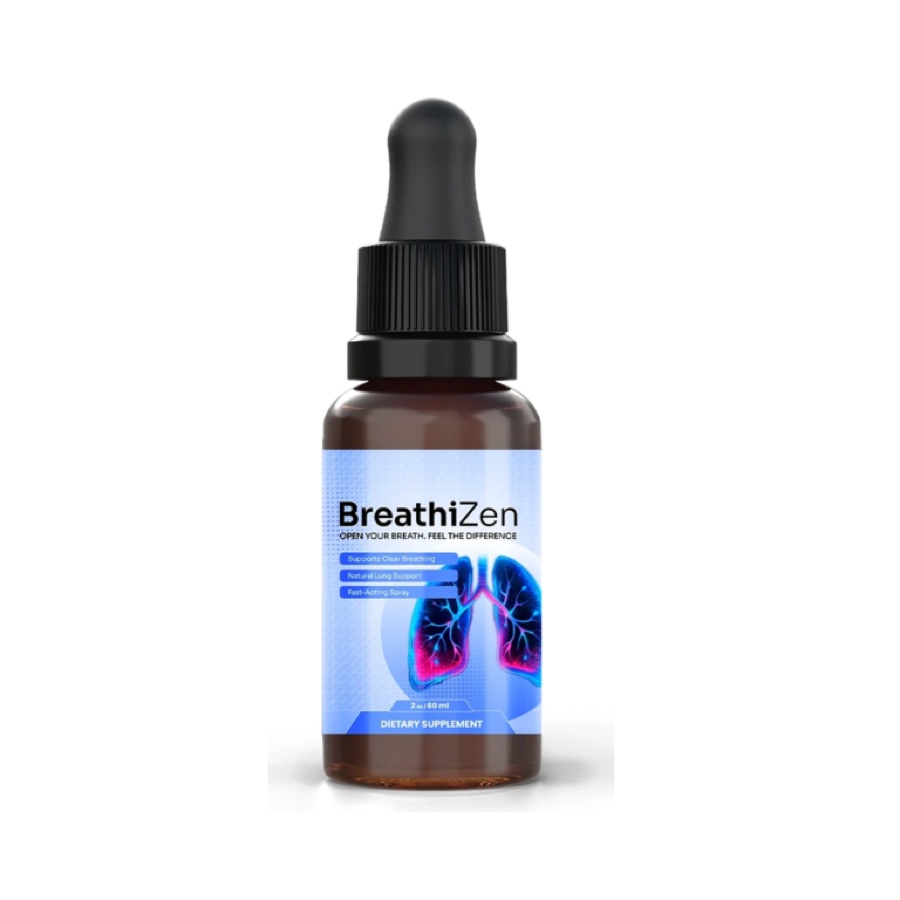 Our reviewBreathiZen★★★★★★★★★★4.7/5Read our review →
Over-the-counter options
Expectorants with guaifenesin thin mucus so coughs are more productive. Decongestants help nasal stuffiness but not chest mucus, and they can raise blood pressure. Cough suppressants can help you sleep, but you generally don't want to suppress a productive cough during the day. Read labels carefully, avoid doubling up on the same ingredient in combination products, and ask a pharmacist if you take other medicines.
Herbs traditionally used for congestion
Several herbs have a long history of use for chest colds. Mullein leaf is a classic soothing remedy for coughs and congestion. Ginger has natural anti-inflammatory compounds and warms the throat. Thyme has been studied in combination products for acute bronchitis coughs. Peppermint and eucalyptus are popular as steam or rubs for the sensation of easier breathing. Evidence is mostly traditional or early, but these are gentle options many people find comforting.
When chest congestion needs a doctor
See a doctor if you have a fever above 101°F (38.3°C), shortness of breath or wheezing, chest pain, a cough that brings up blood, symptoms that last more than 10 days or get better and then worse again, or if you have asthma, COPD, heart disease or a weakened immune system. Seek emergency care for severe trouble breathing, bluish lips or confusion.
Preventing the next round
Wash your hands often, keep up with flu, COVID-19 and pneumonia vaccines as advised, don't smoke, and keep indoor air from getting too dry in winter. Staying active and sleeping well help your immune system, and people with allergies benefit from controlling dust and pollen at home.
Frequently asked questions
What gets rid of chest congestion fast?
Warm fluids, steam, a humidifier and an expectorant with guaifenesin can loosen mucus quickly.
How long does chest congestion last?
From a cold, usually 7 to 10 days. See a doctor if it lasts longer or comes with fever or trouble breathing.
Should I sleep sitting up with chest congestion?
Raising your head and chest on pillows can help mucus drain and ease coughing at night.
Is honey good for chest congestion?
Honey can soothe coughs in adults and children over 1 year old.
BreathiZen is an oral spray with mullein leaf, a traditional herb for the airways, plus ginger and lemon: four quick sprays a day. See what's inside, the price and the 60-day refund.
Read our BreathiZen review →Sources
This article is for information only and is not medical advice. Talk to your doctor before changing your diet or starting a supplement.