How your lungs clean themselves
Every breath brings in dust, pollen, smoke particles and germs. Your airways are lined with a thin layer of mucus that traps them, and underneath are millions of tiny hair-like cilia that beat together to move that mucus up toward your throat, where you swallow it or cough it out. This "mucociliary escalator" runs all day, every day. Deeper in the lungs, immune cells called macrophages clean up whatever gets through.
What weakens your lungs' cleaning system
Some things slow the cilia down or damage the airways:
- Smoking and vaping, the biggest cause by far
- Secondhand smoke and wildfire smoke
- Air pollution and dust at work
- Frequent respiratory infections
- Dehydration, which thickens mucus
- Lack of physical activity
 Our reviewBreathiZen★★★★★★★★★★4.7/5Read our review →
Do lung detox products work?
There's no evidence that teas, pills or cleanses "flush out" the lungs. Lungs aren't like a filter you can rinse. What some herbs can do is soothe irritated airways and make mucus easier to clear, which can make breathing feel easier. That's a real benefit, just not a detox.
What really helps your lungs
These habits are backed by lung health experts:
- Quit smoking: within weeks, the cilia start to recover and coughing often increases as the lungs clear
- Avoid smoke and check air quality on bad days
- Exercise: brisk walking makes your lungs work harder and stronger
- Drink enough water to keep mucus thin
- Practice breathing exercises like pursed-lip and belly breathing
- Get vaccinated against flu, COVID-19 and pneumonia as advised
- Use steam or a humidifier when the air is dry
Breathing exercises to try
Pursed-lip breathing: breathe in through your nose for 2 counts, then out slowly through pursed lips for 4 counts. Belly breathing: lie down with one hand on your belly, breathe in so your belly rises and your chest stays still, then breathe out slowly. A few minutes a day can help you feel less short of breath and more in control.
Herbs traditionally used for the lungs
Several herbs have a long history of use for the airways. Mullein leaf is a classic remedy for coughs and congestion, ginger has natural anti-inflammatory compounds, and lemon brings vitamin C and a fresh taste. Research is still early, but they're gentle options many people use as daily support, as teas, liquids or sprays.
When to see a doctor
See a doctor if you have a cough that lasts more than three weeks, shortness of breath with everyday activities, wheezing, chest pain, coughing up blood or unexplained weight loss. Former smokers aged 50 to 80 should ask about lung cancer screening.
Foods that support healthy lungs
No food cleans the lungs, but some support them. Fruits and vegetables rich in antioxidants, like apples, berries, tomatoes, leafy greens and peppers, have been linked to better lung function in population studies. Fatty fish provides omega-3s that help regulate inflammation. Enough protein keeps the breathing muscles strong. And staying at a healthy weight makes breathing easier, because extra weight around the belly and chest makes the lungs work harder.
Frequently asked questions
Can you detox your lungs?
Your lungs clean themselves. Quitting smoking, exercise and avoiding smoke help that system work better.
How long does it take for lungs to heal after quitting smoking?
Breathing often improves within weeks, and lung function keeps improving for months after quitting.
What drink cleans your lungs?
No drink cleans the lungs, but water keeps mucus thin, and herbal teas like mullein and ginger can soothe the airways.
Is coughing a sign my lungs are clearing?
Often, yes, especially after quitting smoking. But a cough that lasts more than 3 weeks needs a doctor.
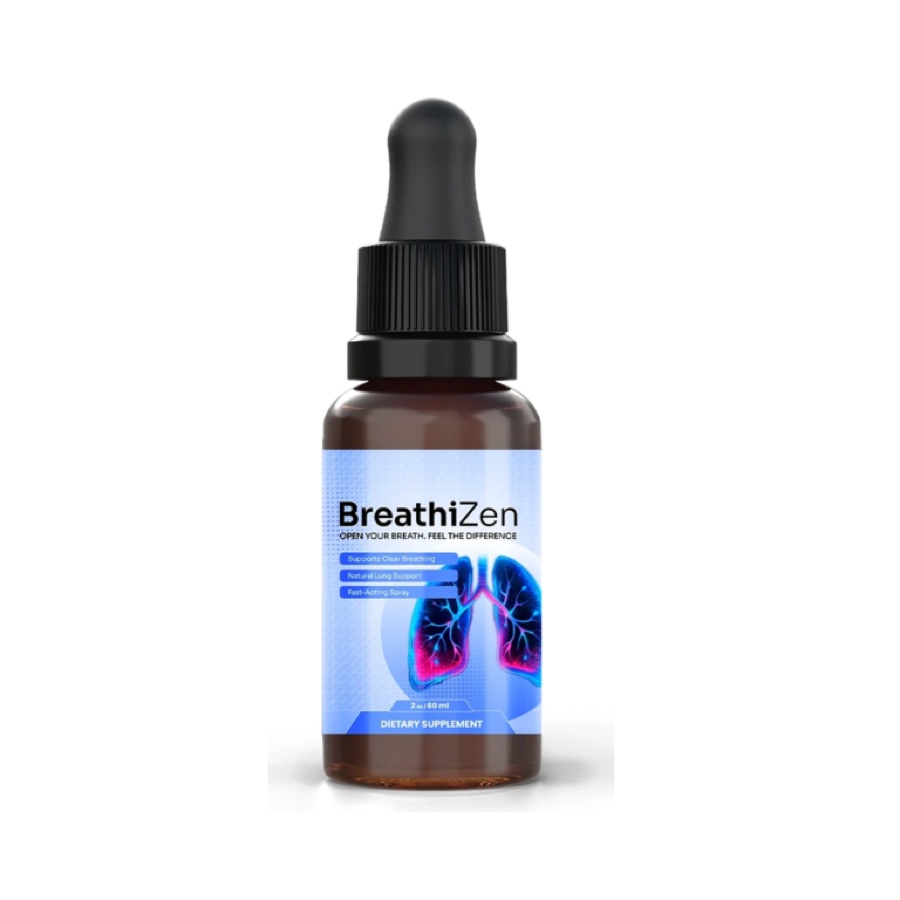
BreathiZen is a quick oral spray with mullein leaf, ginger and lemon, four sprays a day, made for people who want daily support for clear breathing. See what's inside, the price and the 60-day refund.
Read our BreathiZen review →Sources
This article is for information only and is not medical advice. Talk to your doctor before changing your diet or starting a supplement.