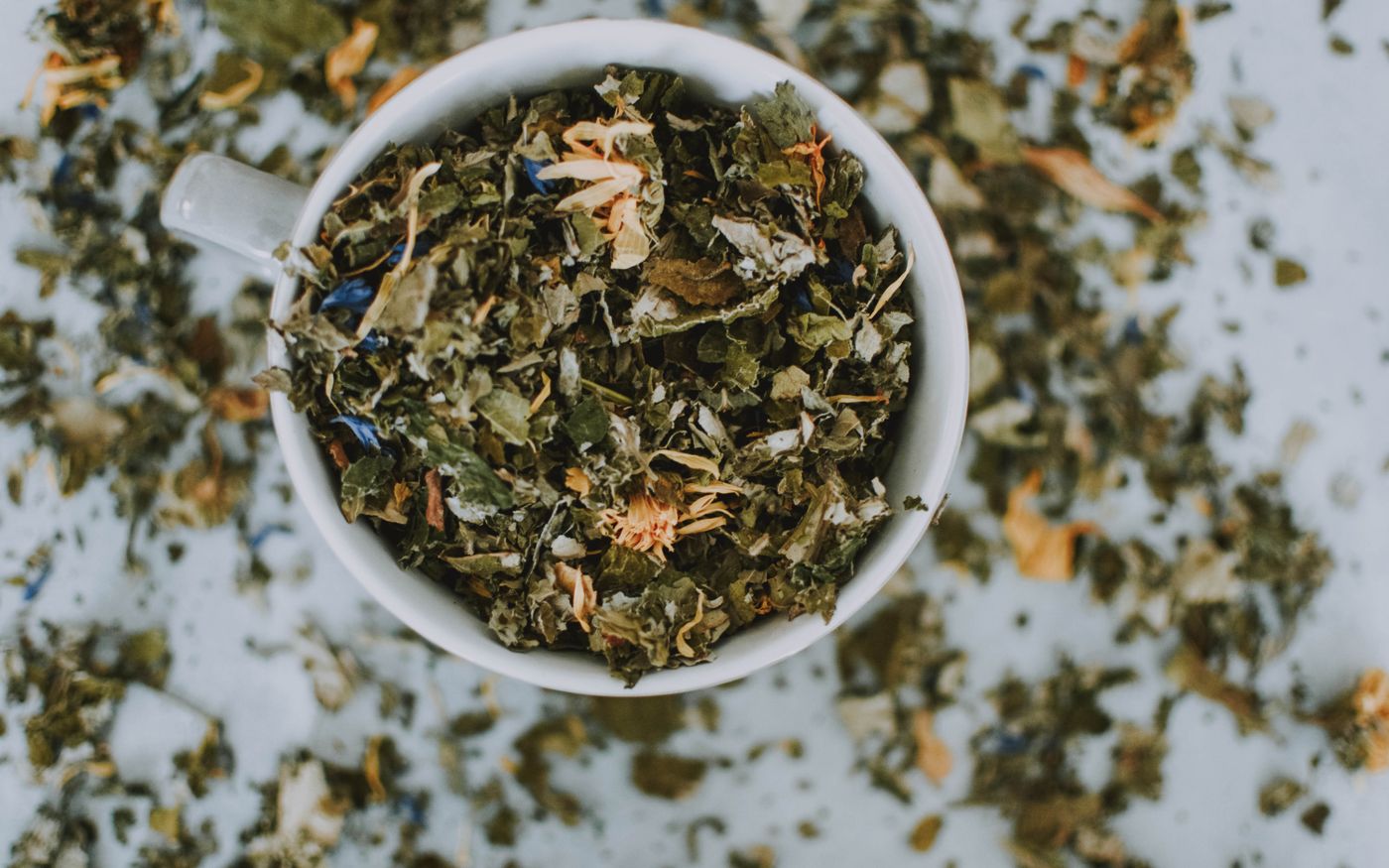
What mullein is
Mullein (Verbascum thapsus) is a tall plant with soft, fuzzy leaves and yellow flowers that grows along roadsides in Europe and North America. Its leaves and flowers have been used in folk medicine for centuries, mostly for the lungs: coughs, chest colds, bronchitis and sore throats. Today you'll find it as loose tea, tea bags, tinctures, capsules and sprays.
Mullein benefits: what it may help with
Mullein is best known as a soothing herb for the airways. Here's what the traditional use and early research point to:
- Coughs: mullein is a demulcent, meaning it forms a soothing film over irritated tissue, and it's traditionally used to loosen mucus
- Chest congestion: it's a classic ingredient in herbal cold and cough blends
- Irritated airways from dry air, smoke or dust
- Inflammation: lab studies show mullein compounds like saponins and flavonoids have anti-inflammatory and antioxidant effects
- Ear discomfort: mullein oil is a traditional ear remedy, though it shouldn't be used if the eardrum may be damaged
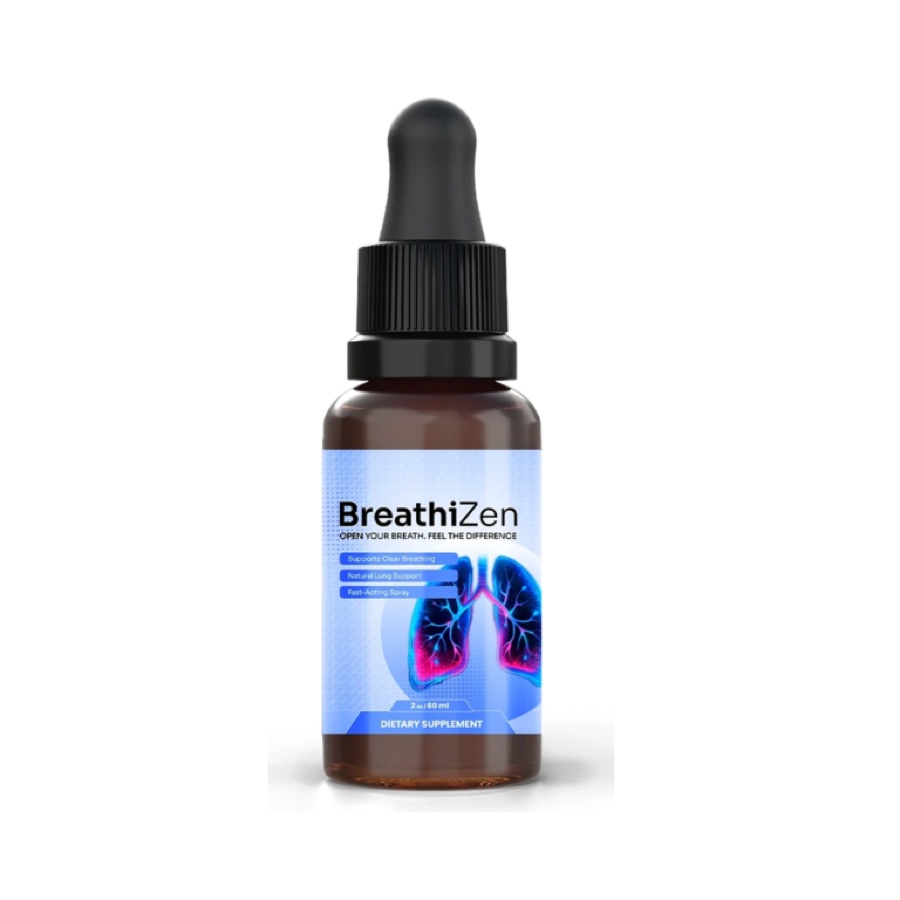 Our reviewBreathiZen★★★★★★★★★★4.7/5Read our review →
What the research really says
Most of the evidence for mullein comes from lab and animal studies and centuries of traditional use. There are very few high-quality human trials. That doesn't mean it doesn't work; it means the benefits are reasonable to try but not proven. Mullein isn't a treatment for asthma, COPD or pneumonia, and it isn't a replacement for an inhaler or prescribed treatment.
How to make mullein tea
Brewing it the right way matters, because the leaves are covered in tiny hairs:
- Use 1 to 2 teaspoons of dried mullein leaves per cup
- Pour about 8 oz of just-boiled water over the leaves
- Cover and steep for 10 to 15 minutes
- Strain through a fine cloth, cheesecloth or coffee filter, not just a tea strainer
- Add honey and lemon if you like; both also soothe the throat
- Most people drink 1 to 3 cups a day for a few days or weeks
Side effects and who should avoid it
Mullein is generally considered safe as a tea. Unstrained hairs can irritate the throat, and some people get a skin rash from touching the plant. Avoid it if you're pregnant or breastfeeding, give it to children only with a doctor's OK, and stop if you notice an allergic reaction. If you have a chronic lung condition, talk to your doctor before adding any herb.
Mullein for a "lung detox"
Social media often calls mullein a lung cleanse. Your lungs already clean themselves: tiny hair-like cilia sweep mucus and particles up and out. What mullein may do is soothe the airways and make that mucus easier to cough up. The best "detox" for your lungs is still not smoking, avoiding smoke and dust, staying active and keeping your vaccinations up to date.
Easier ways to take mullein
Tea isn't the only option. Mullein also comes as tinctures, capsules and oral sprays, which skip the brewing and the straining. Sprays and liquids are popular because they're quick to use every day and combine mullein with other traditional helpers like ginger and lemon.
Frequently asked questions
What is mullein tea good for?
It's traditionally used to soothe coughs, chest congestion and irritated airways. Research is mostly from lab studies.
How often can you drink mullein tea?
Most people drink 1 to 3 cups a day for short periods. Talk to your doctor if you plan to use it long term.
Does mullein clean your lungs?
Your lungs clean themselves. Mullein may soothe the airways and help loosen mucus, but it isn't a detox.
Why do you strain mullein tea through a cloth?
Mullein leaves have tiny hairs that can irritate the throat if they end up in your cup.
Love the idea of mullein but not the brewing and straining? BreathiZen puts mullein leaf extract, ginger and lemon in a quick oral spray: four sprays a day. See what's inside, the price and the 60-day refund.
Read our BreathiZen review →Sources
- PubMed: Verbascum thapsus (mullein) research
- American Lung Association: Lung health
- MedlinePlus: Cough
This article is for information only and is not medical advice. Talk to your doctor before changing your diet or starting a supplement.