
What eye floaters are
The inside of your eye is filled with a clear gel called the vitreous. With age, this gel slowly becomes more liquid, and tiny fibers inside it clump together. Those clumps cast shadows on the retina, the light-sensitive layer at the back of the eye, and you see them as floaters.
They look different for everyone: dots, threads, rings, squiggly lines or cobwebs. They seem to dart away when you try to look straight at them, and they're easiest to see against a bright background like a blue sky or a white wall.
What causes floaters
The most common cause is simply age. Other causes include:
- Posterior vitreous detachment (PVD), when the gel pulls away from the retina, which is common after 50
- Nearsightedness, which makes floaters appear earlier
- Eye surgery, such as cataract surgery
- Inflammation inside the eye (uveitis)
- Bleeding inside the eye, for example from diabetic eye disease
- Eye injury
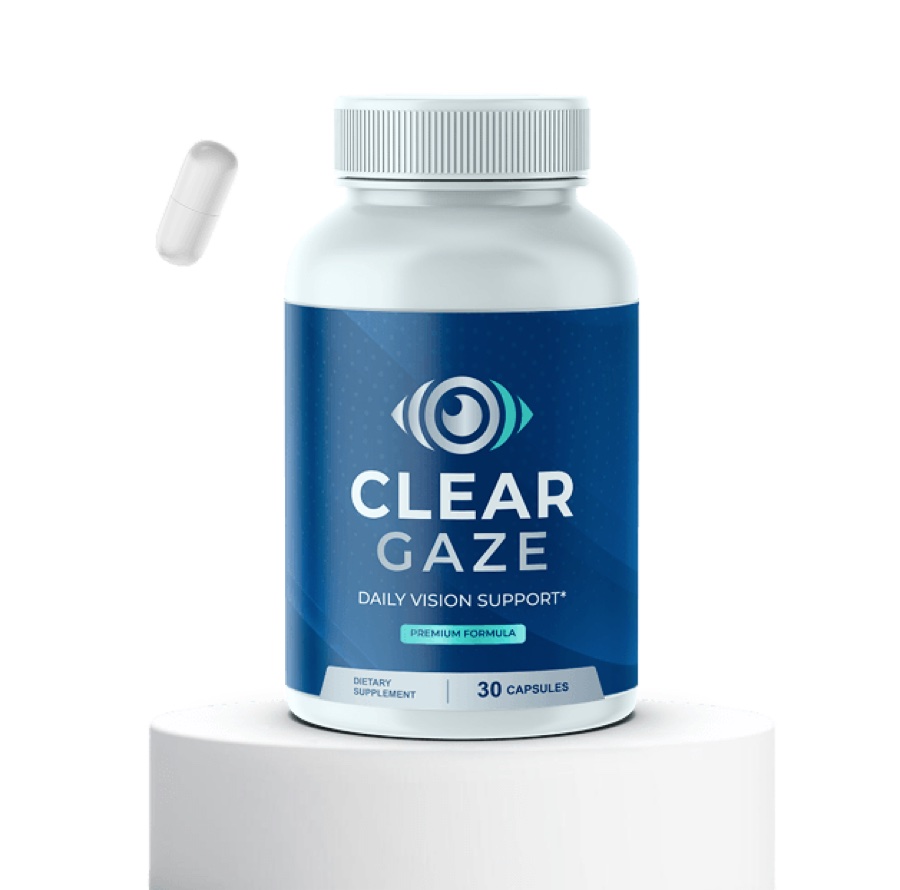 Our reviewClear Gaze★★★★★★★★★★4.7/5Read our review →
When floaters are an emergency
Most floaters are harmless, but call an eye doctor or go to urgent care the same day if you notice:
- A sudden shower of new floaters
- Flashes of light, especially at the edge of your vision
- A dark shadow or curtain moving across part of your sight
- Floaters after a blow to the head or eye
- Floaters with eye pain or sudden loss of vision
Why the warning signs matter
When the vitreous pulls away from the retina, it can sometimes tear it. A retinal tear can lead to a retinal detachment, which can cause permanent vision loss if it isn't treated quickly. Caught early, tears can often be sealed with a quick laser treatment in the office. That's why eye doctors say new floaters with flashes deserve a dilated eye exam right away, even if you feel fine.
Do floaters go away?
Many floaters fade or become less noticeable over weeks to months. They sink below your line of sight, and the brain learns to ignore them. Treatments such as laser (vitreolysis) or surgery (vitrectomy) exist, but they have risks and are only considered when floaters seriously interfere with daily life.
How to live with floaters
A few simple habits make floaters less bothersome:
- Move your eyes up and down or side to side to shift a floater out of view
- Wear sunglasses on bright days, when floaters are most visible
- Use softer lighting and dark mode on screens
- Keep regular eye exams, especially after 50 or if you're nearsighted
- Control blood sugar and blood pressure, which protect the blood vessels in your eyes
Can nutrition help your eyes?
No supplement removes floaters. But the retina and the macula rely on nutrients every day. Lutein and zeaxanthin, the yellow pigments in leafy greens and egg yolks, concentrate in the macula and help filter blue light. Large National Eye Institute studies (AREDS and AREDS2) found that a formula with vitamins C and E, zinc, copper, lutein and zeaxanthin helped slow advanced macular degeneration in people at risk. Eating colorful vegetables, fish and berries, and taking a daily eye formula if your diet falls short, is a reasonable way to support aging eyes.
Frequently asked questions
Are eye floaters serious?
Usually not. But a sudden increase in floaters, flashes of light or a shadow over your vision needs a same-day eye exam.
Can floaters go away on their own?
Many fade or become less noticeable over time as they settle and your brain learns to ignore them.
Can stress or dehydration cause floaters?
There's no strong evidence for either. Most floaters come from age-related changes in the vitreous gel.
Do eye vitamins get rid of floaters?
No. Eye nutrients like lutein and zeaxanthin support the retina and macula, but they don't dissolve floaters.
Floaters are part of how eyes age, and so is the need for good nutrition. Clear Gaze is a one-a-day capsule with lutein, zeaxanthin, bilberry and the vitamins used in classic eye formulas. See what's inside and what it costs.
Read our Clear Gaze review →Sources
- National Eye Institute: Floaters
- American Academy of Ophthalmology: What Are Floaters and Flashes?
- National Eye Institute: AREDS/AREDS2
This article is for information only and is not medical advice. Talk to your doctor before changing your diet or starting a supplement.