What gymnema is
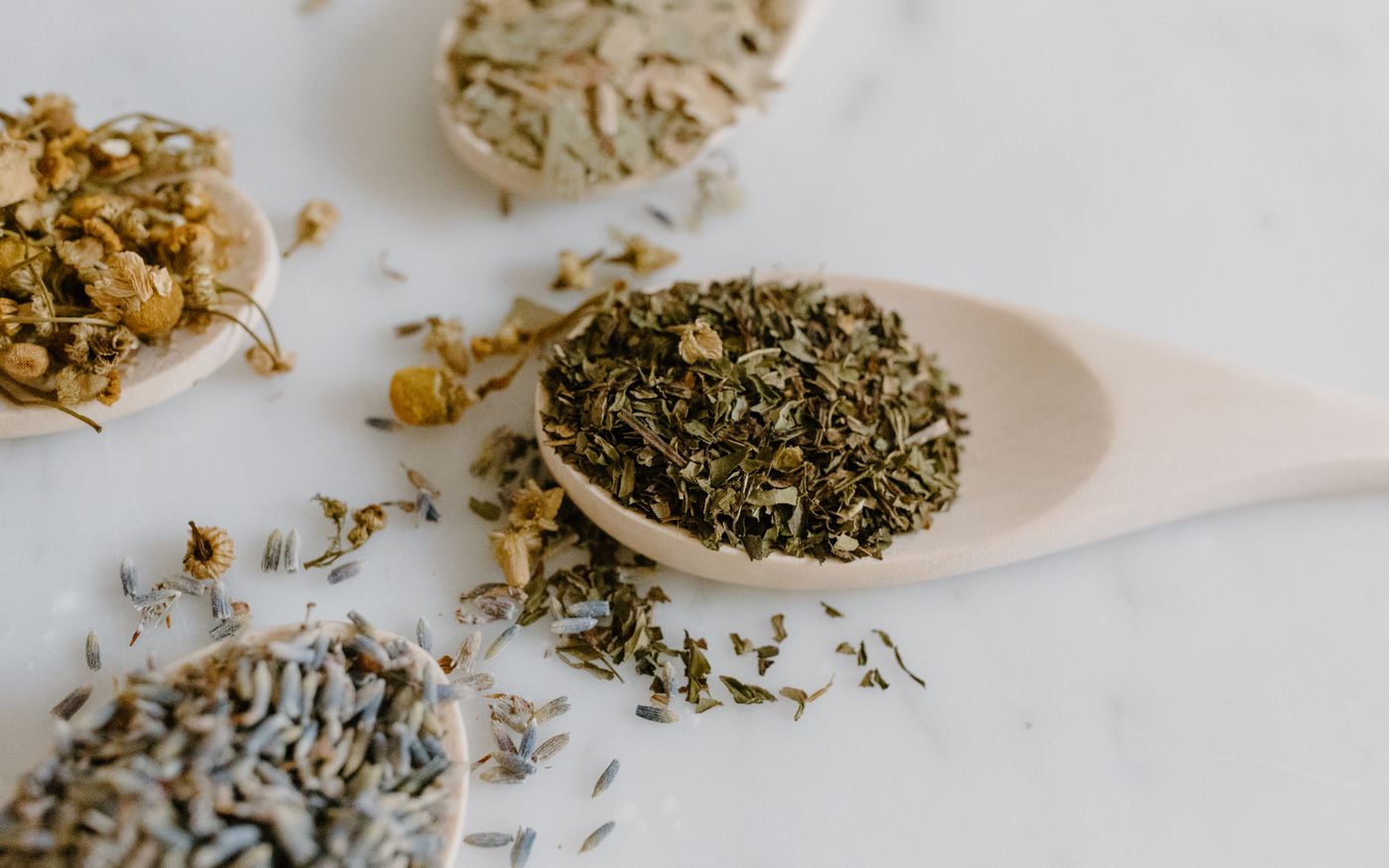
Gymnema sylvestre is a woody vine native to the forests of India, Africa and Australia. In Ayurvedic medicine it has been used for more than 2,000 years, mostly for "sweet urine", the old name for diabetes. Its Hindi name, gurmar, means "destroyer of sugar".
How gymnema blocks the taste of sugar
Gymnemic acids have a shape similar to glucose. They sit on the sweet-taste receptors of the tongue and block them for up to an hour, so sweet foods taste dull or bland. Studies found that people who used gymnema lozenges chose and ate less candy afterward. For many people, that's the most noticeable effect: cravings simply get easier to ignore.
 Our reviewSugar Reset★★★★★★★★★★4.7/5Read our review →
Gymnema and blood sugar
Gymnemic acids may also block some sugar absorption in the intestine. Small studies in people with type 2 diabetes found gymnema lowered fasting blood sugar and A1C modestly over several months, and lab studies suggest it may support the insulin-producing cells of the pancreas. Larger, high-quality trials are still needed, so think of gymnema as support, not a replacement for treatment.
Other possible benefits
Researchers have also looked at gymnema for:
- Weight management, mostly through fewer cravings
- Cholesterol and triglycerides, with early positive results
- Antioxidant and anti-inflammatory effects in lab studies
How to take gymnema
Supplements usually provide 200 to 400 mg of extract standardized to 25% gymnemic acids, once or twice a day before meals. It's also found as tea, liquid extracts and in multi-ingredient blood sugar formulas, often combined with chromium, cinnamon, green tea or berberine. Give it at least 8 to 12 weeks.
Side effects and who should avoid it
Gymnema is generally well tolerated in studies. Possible effects include stomach upset and, when combined with diabetes medication, low blood sugar (shakiness, sweating, confusion). Avoid it if you're pregnant or breastfeeding, and talk to your doctor before using it with insulin or other glucose-lowering drugs. Rare cases of liver irritation have been reported.
Habits that make gymnema work better
Gymnema helps most alongside the basics: fewer sugary drinks, more fiber and protein, a walk after meals, enough sleep and regular blood sugar checks. Taking it before the meal or snack when cravings usually hit is the simplest way to put its sweet-blocking effect to work.
Gymnema compared with other blood sugar herbs
Gymnema is often compared with cinnamon, berberine and chromium. Berberine has the strongest research for lowering blood sugar but more digestive side effects and drug interactions. Cinnamon has mixed results. Chromium is a mineral involved in insulin action, with modest effects in some studies. Gymnema stands out for its sweet-blocking effect on cravings. That's why many blood sugar formulas combine two or more of these ingredients instead of relying on a single one, and why it's worth checking a label for exactly what you're getting.
Frequently asked questions
What does gymnema sylvestre do?
It temporarily blocks sweet taste, which can curb sugar cravings, and is studied for supporting healthy blood sugar.
How long does gymnema take to work?
The sweet-blocking effect is immediate. Effects on blood sugar in studies took several weeks to months.
Can I take gymnema with metformin?
Ask your doctor first. Together they may lower blood sugar too much.
Does gymnema help with weight loss?
It may help indirectly by reducing cravings for sweets.
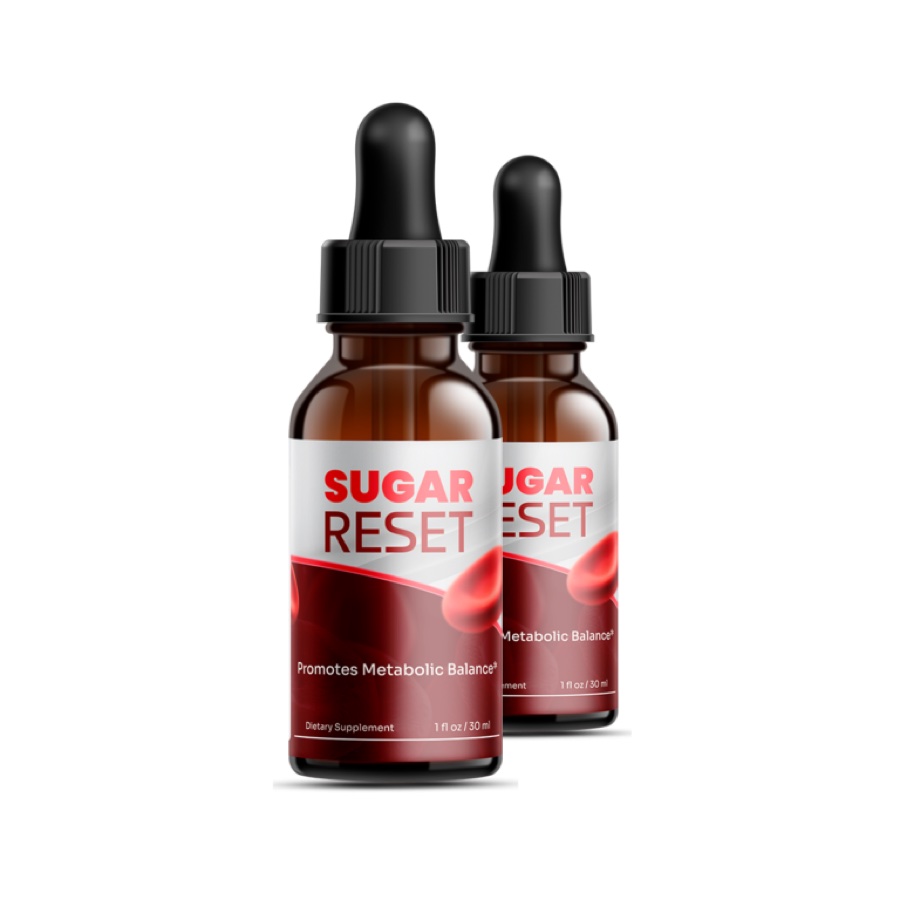
Sugar Reset is a liquid daily formula with gymnema, chromium, African mango, green tea and ginseng for healthy blood sugar support. See what's on the label, the price and how the 60-day refund works.
Read our Sugar Reset review →Sources
- PubMed: Gymnema sylvestre and blood glucose
- PubMed: Gymnema and sweet cravings
- NIDDK: Insulin Resistance & Prediabetes
This article is for information only and is not medical advice. Talk to your doctor before changing your diet or starting a supplement.