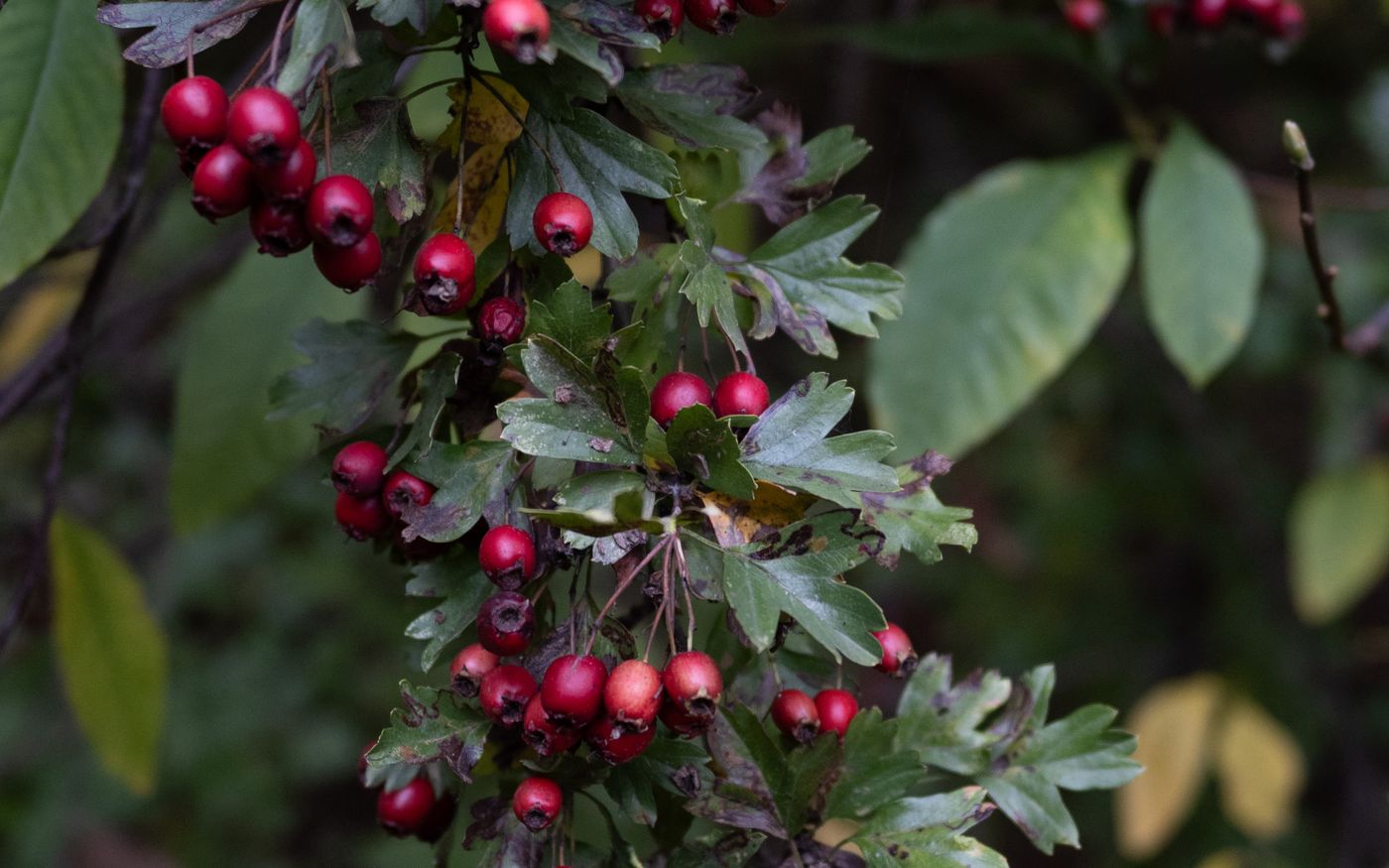
What hawthorn is
Hawthorn is a thorny shrub in the rose family that grows across Europe, Asia and North America. Its small red berries, along with the leaves and flowers, have been used in traditional medicine for centuries, especially for the heart. In Europe, hawthorn extracts have long been part of herbal approaches to heart health, and in traditional Chinese medicine the berries are used for digestion and circulation.
What's inside the berries
Hawthorn is rich in plant compounds called flavonoids and oligomeric procyanidins, the same family of antioxidants found in grapes and apples. Researchers think these compounds help blood vessels relax and widen, improve blood flow to the heart muscle and protect cells from oxidative stress. That's the main reason hawthorn keeps coming up in studies on circulation and heart function.
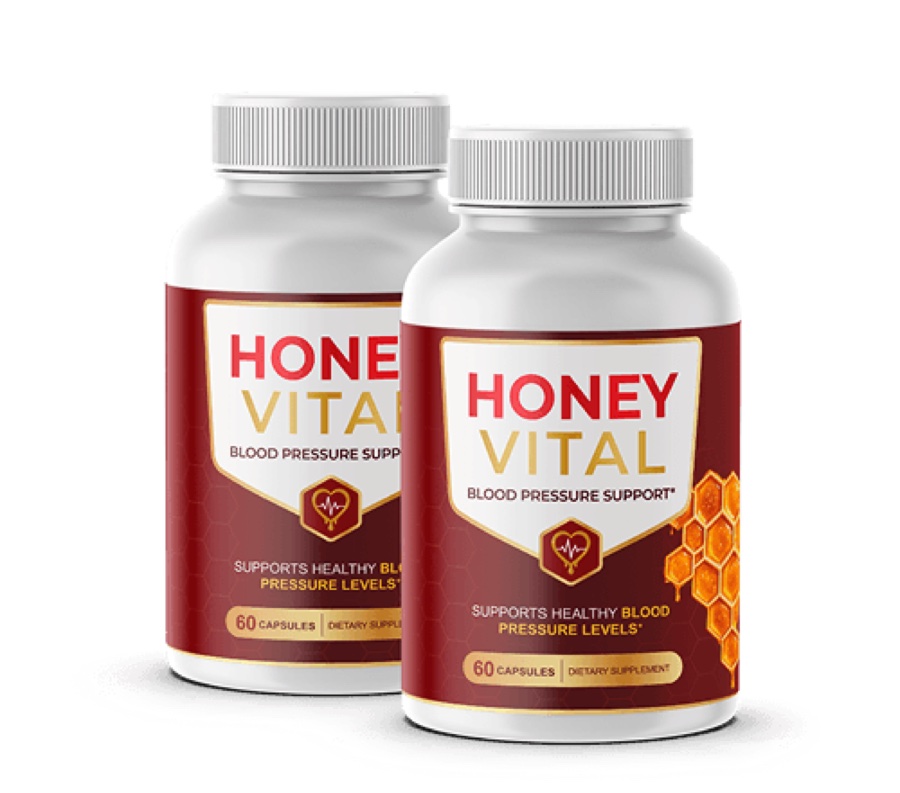 Our reviewHoney Vital★★★★★★★★★★4.7/5Read our review →
Hawthorn berry benefits people look for
People most often use hawthorn for:
- Healthy blood pressure, as part of a heart-healthy routine
- Circulation and blood flow
- Antioxidant support for the heart and blood vessels
- Mild heart symptoms, under a doctor's guidance
- Digestion, in traditional Chinese medicine
What the research shows
Most research has looked at standardized extracts of the leaves and flowers. Several older trials in people with mild heart failure found hawthorn improved exercise tolerance and symptoms like shortness of breath and fatigue, although one larger trial found no benefit. For blood pressure, a few small studies found modest drops, especially in people with mildly high readings or type 2 diabetes. The overall picture: promising, with mixed results, and best seen as support rather than treatment.
How to take hawthorn
Hawthorn comes as tea, tinctures, capsules and standardized extracts. Studies often used 160 to 900 mg a day of extract, split into two or three doses, for at least six to twelve weeks. Effects, if any, build slowly. Many heart-health formulas combine hawthorn with other botanicals like hibiscus and garlic and with B vitamins, which can be more convenient than taking several products.
Side effects and who should be careful
Hawthorn is generally well tolerated. Possible side effects include dizziness, nausea, upset stomach and headache. Because it may affect blood pressure and heart rhythm, it can interact with digoxin, beta-blockers, calcium channel blockers, nitrates and other heart medicines. Talk to your doctor before using it if you have a heart condition or take any of these drugs. It isn't recommended during pregnancy or breastfeeding.
Hawthorn as part of a heart-healthy routine
No herb replaces the basics. The biggest wins for blood pressure and heart health are still eating less salt and more vegetables, fruits and whole grains, staying active most days, keeping a healthy weight, not smoking, limiting alcohol and sleeping well. Measuring your blood pressure at home helps you see what's working. Hawthorn can be one small, traditional piece of that bigger picture, with your doctor in the loop.
Frequently asked questions
What is hawthorn berry good for?
It's traditionally used for heart health, circulation and blood pressure support, mostly as an extract or tea.
How long does hawthorn take to work?
Studies usually ran 6 to 12 weeks or longer before measuring effects.
Can I take hawthorn with blood pressure medication?
Ask your doctor first, because hawthorn can add to the effect of heart and blood pressure drugs.
Is hawthorn safe every day?
For most adults it's well tolerated in normal amounts, but it isn't recommended in pregnancy.
Honey Vital includes hawthorn alongside hibiscus, garlic, olive leaf, green tea and vitamins C, B6, B12 and folate in a twice-daily capsule for healthy blood pressure support. See what's inside and the 60-day promise.
Read our Honey Vital review →Sources
- NCCIH: Hawthorn
- PubMed: Hawthorn (Crataegus) and blood pressure
- American Heart Association: Understanding blood pressure readings
This article is for information only and is not medical advice. Talk to your doctor before changing your diet or starting a supplement.