What hibiscus tea is
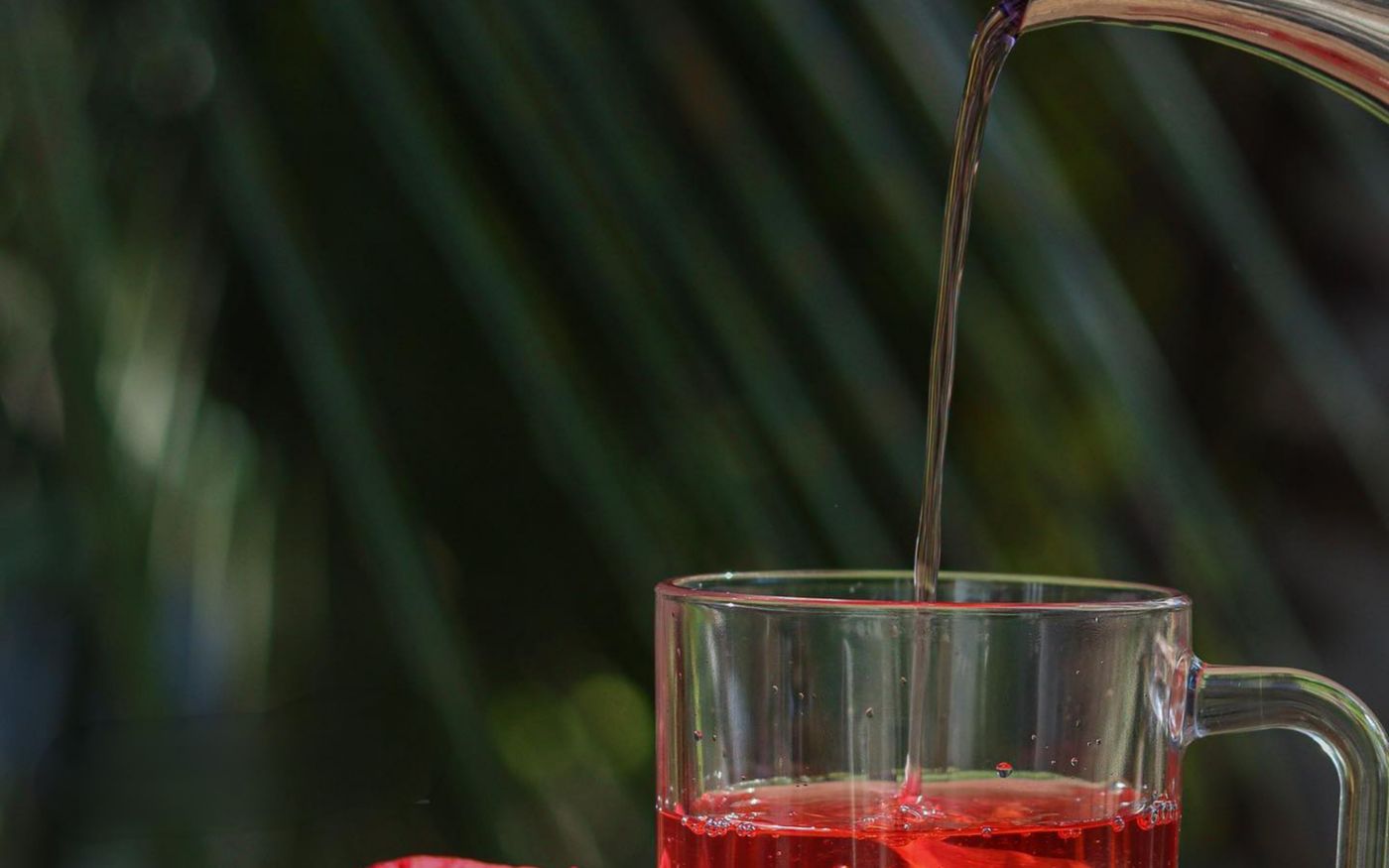
Hibiscus tea is made from the dried calyces (the red, cup-shaped part of the flower) of Hibiscus sabdariffa. It's tart, a bit like cranberry, and is enjoyed hot or iced around the world, known as agua de jamaica in Mexico and karkadé in Egypt. It's naturally caffeine-free and rich in anthocyanins, the pigments that give it its color.
What the studies found
Several small randomized trials have tested hibiscus tea in adults with prehypertension or mild high blood pressure. In one US study, people who drank three cups a day for six weeks saw their systolic pressure (the top number) drop about 7 points, compared with about 1 point in the placebo group. Reviews that pooled several studies found similar modest drops. Researchers think anthocyanins help blood vessels relax and that hibiscus has a mild diuretic effect.
 Our reviewHoney Vital★★★★★★★★★★4.7/5Read our review →
How much to drink
Most studies used 2 to 3 cups a day, made with about 1 to 2 teaspoons (or one tea bag) of dried hibiscus per cup. Effects usually showed up after 4 to 6 weeks of daily use. Drink it unsweetened or lightly sweetened, since sugar works against heart health.
How to make hibiscus tea
Simple and inexpensive:
- Add 1 to 2 teaspoons of dried hibiscus (or 1 tea bag) to a cup
- Pour about 8 oz of boiling water over it
- Steep 5 to 10 minutes; longer makes it more tart
- Strain, then add a squeeze of lime, a cinnamon stick or a little honey
- For iced tea, brew a strong batch and chill it
Who should be careful
Hibiscus is safe for most adults in normal amounts, but:
- It may add to blood pressure medicines and diuretics, so ask your doctor
- It can interact with some drugs, including hydrochlorothiazide and acetaminophen
- Avoid it during pregnancy
- People with low blood pressure may feel dizzy
- Stop a couple of weeks before surgery, as with many herbs
Hibiscus is one piece of the puzzle
A few points matter, but hibiscus works best alongside proven habits: less salt, more fruits and vegetables (the DASH diet), regular walking, limiting alcohol, losing extra weight, good sleep and managing stress. Check your blood pressure at home so you can see what works for you.
Other botanicals for heart health
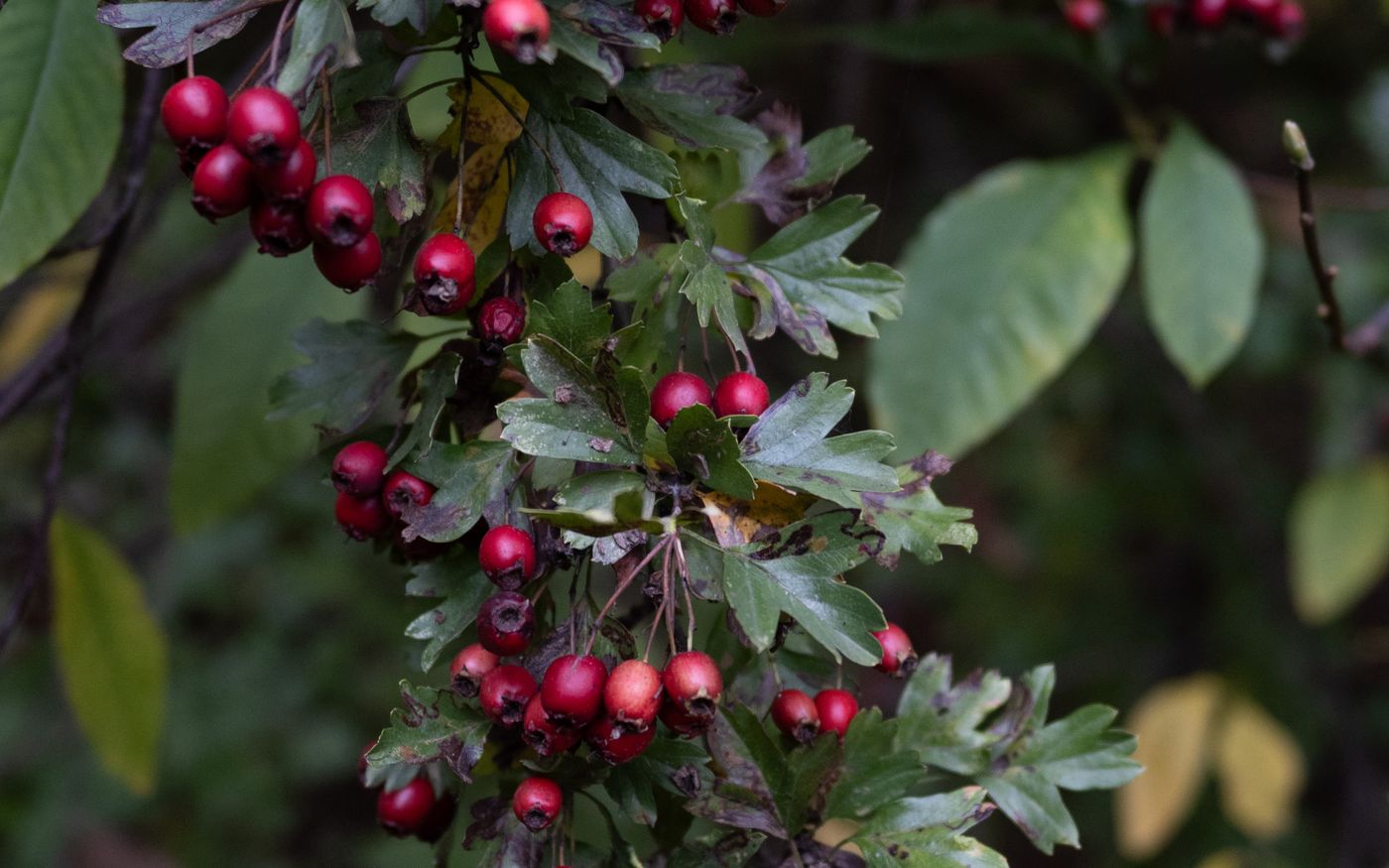
Hibiscus isn't the only plant studied for blood pressure. Garlic, hawthorn, olive leaf and green tea also have studies behind them, mostly small. Some people prefer a daily supplement that combines several of them with key vitamins, instead of brewing tea every day.
How to track whether it's working
The only way to know if hibiscus helps you is to measure. Use a validated home blood pressure cuff, sit quietly for five minutes, keep your arm at heart level and take two readings, morning and evening, for a week before you start. Then keep measuring as you drink the tea daily for four to six weeks. Write the numbers down or use an app, and share them with your doctor. Home readings give a much truer picture than a single measurement at the clinic.
Frequently asked questions
How fast does hibiscus tea lower blood pressure?
In studies, effects usually appeared after 4 to 6 weeks of drinking it every day.
How many cups of hibiscus tea a day?
Most studies used 2 to 3 cups a day.
Can I drink hibiscus tea with blood pressure medication?
Ask your doctor first, because hibiscus can add to the effect of those medicines.
Is hibiscus tea safe every day?
For most healthy adults, yes, in normal amounts. Avoid it in pregnancy.
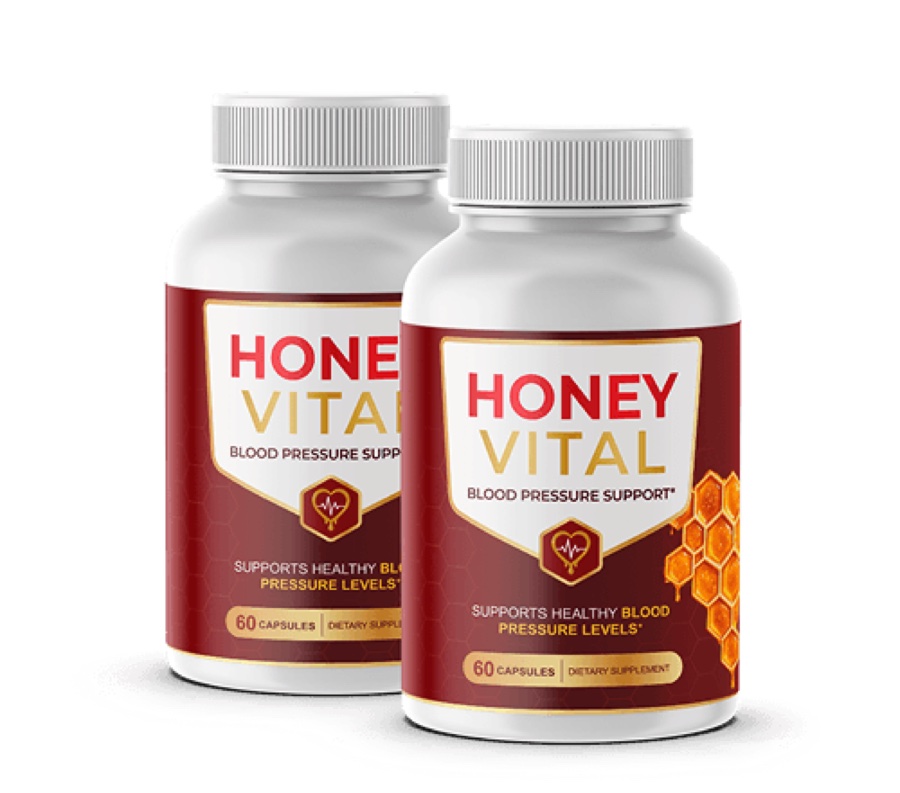
Honey Vital pairs hibiscus with hawthorn, garlic, olive leaf, green tea and vitamins C, B6, B12 and folate in a twice-daily capsule for healthy blood pressure support. See what's inside and the 60-day promise.
Read our Honey Vital review →Sources
- PubMed: Hibiscus sabdariffa and blood pressure
- American Heart Association: Understanding blood pressure readings
- NHLBI: DASH eating plan
This article is for information only and is not medical advice. Talk to your doctor before changing your diet or starting a supplement.