How Ozempic works
Ozempic and Wegovy contain semaglutide, a drug that mimics GLP-1, a hormone your gut releases after you eat. GLP-1 tells the brain you're full, slows how fast food leaves the stomach and helps the pancreas release insulin. The drug version lasts far longer and is far stronger than your own GLP-1, which is why people on it often lose 10 to 15% of their body weight. It also comes with side effects, a high price and the need for a prescription.
What people mean by "natural Ozempic"
Online, "natural Ozempic" has become a label for anything that might help with appetite or blood sugar. Some of these have a little research behind them, others have none. Many viral videos and ads, often run by third-party advertisers, use the term to make ordinary supplements sound like a drug. That's the red flag: nothing natural produces the same effect as semaglutide.
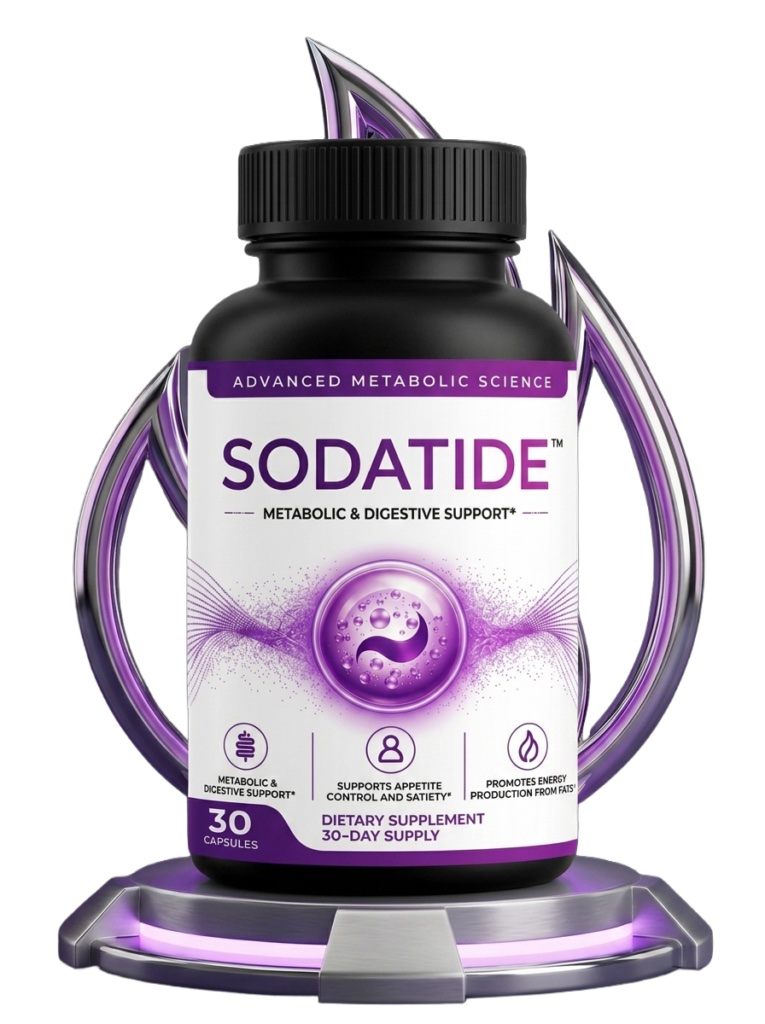 Our reviewSodaTide★★★★★★★★★★4.7/5Read our review →
Options with some evidence
These may help appetite or blood sugar modestly:
- Protein at every meal, the strongest natural trigger of fullness hormones
- Fiber, especially psyllium and other viscous fibers, which slow digestion
- Berberine, a plant compound studied for blood sugar and weight, sometimes nicknamed "nature's Ozempic"
- Fermented foods and a fiber-rich diet that support gut bacteria involved in GLP-1 release
- Green tea, for a small effect on metabolism
- Eating slowly, which gives fullness signals time to reach the brain
What berberine can and can't do
Berberine, from plants like goldenseal and barberry, has been studied mostly for blood sugar, where it showed effects in small trials. Some studies also found modest weight loss, usually a few pounds over several months. It can cause stomach upset and interacts with many medicines, so it's not for everyone. Helpful for some people, but not remotely comparable to semaglutide.
Why appetite is the key
The reason GLP-1 drugs work so well is that they make it easier to eat less without constant hunger. That's the real lesson. Anything that genuinely helps you feel full and stay in control of cravings, from protein-rich meals to steady sleep to daily support for appetite and gut health, moves you in the same direction, more slowly and more gently.
Habits that make a real difference
Most sustainable weight loss comes from a few habits repeated every day: protein and vegetables at every meal, fewer ultra-processed foods and sugary drinks, a daily walk and some strength training, seven to nine hours of sleep and a plan for stress eating. Weighing yourself or measuring your waist weekly helps you see progress and adjust.
When to talk to a doctor
If you have obesity, type 2 diabetes or weight-related health problems, a doctor can tell you whether a GLP-1 medicine or another treatment makes sense. Don't buy compounded or online "semaglutide" from unverified sellers, and be wary of supplements that promise drug-like results.
Frequently asked questions
Is there a natural version of Ozempic?
No. Some foods and supplements may support fullness a little, but nothing natural works like semaglutide.
Is berberine nature's Ozempic?
Berberine has some evidence for blood sugar and modest weight loss, but its effects are much smaller than Ozempic's.
What foods boost GLP-1?
Protein, fiber-rich foods, healthy fats and fermented foods may support your body's own GLP-1 release.
Can I lose weight without Ozempic?
Yes. Appetite control, protein, fiber, movement and sleep help most people lose weight steadily.
If appetite is your biggest obstacle, SodaTide is a daily formula built for appetite and gut-based metabolism support, with a 60-day refund. See what's inside, what customers say and what it costs.
Read our SodaTide review →Sources
- NIDDK: Prescription medications to treat overweight and obesity
- PubMed: Berberine and weight
- NIH Office of Dietary Supplements: Dietary supplements for weight loss
This article is for information only and is not medical advice. Talk to your doctor before changing your diet or starting a supplement.