
What the baking soda trick is
The baking soda trick is a name used in online videos and ads for a simple morning drink, usually baking soda mixed with water, sometimes with lemon or apple cider vinegar. Different videos promise different things. The best-known versions claim it helps you lose weight by balancing your gut and boosting GLP-1, the hormone behind weight loss shots. Other versions are aimed at men and promise better erections or stamina, and some say it lowers blood sugar.
What these videos have in common is the format: a long presentation, a dramatic demonstration in a glass, celebrity names, and a supplement for sale at the end. That's why the same phrase shows up in very different health topics.
What baking soda actually does in your body
Baking soda is sodium bicarbonate, a mild base. Its proven medical use is as an antacid: it neutralizes stomach acid and can relieve occasional heartburn. Doctors also use bicarbonate in hospitals to correct certain blood acid problems, and some athletes take it before intense exercise to delay muscle fatigue.
What it doesn't do is burn fat. Your body tightly controls the pH of your blood and gut, so drinking baking soda doesn't reset your metabolism or your hormones. There are no good studies showing that baking soda drinks cause weight loss or raise GLP-1 in a meaningful way. The demonstrations where fat "melts" in a glass show a chemical reaction in a cup, not what happens inside your body.
Is the baking soda trick safe?
An occasional small dose as an antacid is generally safe for healthy adults. Drinking it every day is a different story:
- One teaspoon of baking soda contains about 1,200 mg of sodium, more than half of the daily limit many experts recommend
- Too much can upset the body's acid-base balance (metabolic alkalosis), causing muscle twitching, nausea and confusion
- It can interact with many medicines by changing how they're absorbed
- It's not a good idea for people with high blood pressure, heart or kidney disease, or anyone on a low-sodium diet
- Taking large amounts on a very full stomach has been linked to rare but serious stomach injuries
- Pregnant women should avoid regular use
The baking soda trick for weight loss
The weight loss version says baking soda balances your gut so your body makes more GLP-1 and burns fat on its own. The gut-hormone idea is real science: fiber and certain gut bacteria are studied for their effect on GLP-1 and appetite. But baking soda isn't the ingredient that does it.
Interestingly, at least one product sold through baking soda trick videos, SodaTide, doesn't contain baking soda at all. Its label lists prebiotic fibers (chicory inulin and resistant starch) and probiotics, including Akkermansia muciniphila, which are the ingredients actually studied for gut hormones. We cover what it contains, the price and the refund policy in our full review, linked at the end.
The baking soda trick for men
Other videos use the same name to sell supplements for erections or stamina, often with a story about blood flow or nitric oxide. Baking soda doesn't improve erections, and there's no research showing it does. Erection problems can be an early sign of heart or blood vessel issues, so they're worth discussing with a doctor, who can also check whether a supplement is safe with your medications.
Watch out for celebrity ads
Many baking soda trick videos use famous TV hosts, singers and doctors, saying they lost huge amounts of weight or claiming government or FDA backing. These appearances are often edited or AI-generated, and there's no evidence those celebrities endorse the products. The FDA also doesn't approve dietary supplements before they're sold. If an ad leans on famous faces and promises results like a prescription shot, judge the product by its label, its price and its refund policy instead.
What actually helps with weight and appetite
If you're interested in the gut and appetite angle, these steps have real research behind them:
- Eat more fiber from vegetables, beans, oats and whole grains; fiber feeds the gut bacteria linked to fullness
- Include protein at every meal to stay full longer
- Walk after meals to blunt blood sugar spikes
- Sleep 7 to 9 hours; poor sleep raises hunger hormones
- Talk to your doctor about prescription options if you have a lot of weight to lose
Can a supplement help?
Prebiotic and probiotic supplements are a gentler, slower option than prescription medication. They won't melt fat, but some people use them to support digestion and appetite alongside better habits. If you go that route, read the label carefully, check that the ingredients match what the ad promised, and buy from the official site so you're covered by the refund policy.
Frequently asked questions
What is the baking soda trick?
It's a name used in online videos for a daily baking soda drink that supposedly helps with weight loss, gut health or men's health. The claims vary by video and aren't backed by good research.
Does the baking soda trick work for weight loss?
There's no good evidence that baking soda causes weight loss. Fiber and certain probiotics are studied for appetite and gut hormones, but baking soda itself doesn't burn fat.
Is it safe to drink baking soda every day?
Daily use isn't recommended without a doctor's advice. It's high in sodium and can upset your body's acid balance and interact with medications.
Does SodaTide contain baking soda?
No. Despite being promoted with the baking soda trick, SodaTide's label lists chicory inulin, resistant starch and three probiotic strains.
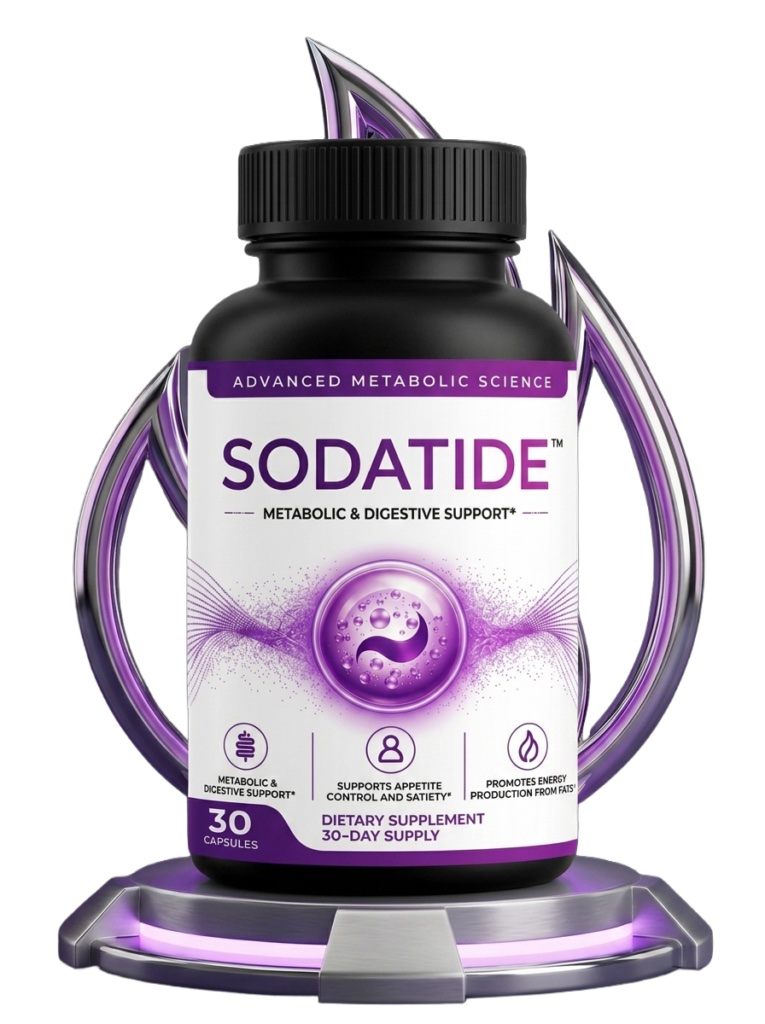
Some of the baking soda trick videos sell a supplement called SodaTide. We checked its label: there's no baking soda inside. See what it does contain, what it costs and how the refund works.
Read our SodaTide review →Keep reading
 Skin, Hair & NailsAthlete's Foot: Symptoms, Treatment and How to Stop It Spreading3 min read
 Dental HealthBad Breath: Causes and How to Get Rid of It for Good3 min read
 Dental HealthBleeding Gums When Brushing: Causes, What Helps and When to Worry3 min read