How hair grows, and why nutrients matter
Each hair grows from a follicle in a cycle: a growing phase that lasts years, a short transition, and a resting phase before it falls out. Hair follicles are among the fastest-dividing cells in the body, so they need a steady supply of protein, vitamins and minerals. When something is missing, the body prioritizes vital organs, and more hairs can shift into the resting phase and fall out a few months later.
The vitamins and minerals your hair needs
These are the nutrients most often linked to hair health:
- Biotin (B7): needed to make keratin, the protein hair is made of
- Vitamin D: helps create new follicles; low levels are linked to hair loss
- Iron: low iron, even without anemia, is a common cause of shedding in women
- Zinc: supports tissue growth and repair; deficiency can cause hair loss
- Vitamin C: needed for collagen and helps absorb iron
- Niacin (B3) and pantothenic acid (B5): support healthy cells and hydration
- Vitamin B12 and folate: help make red blood cells that carry oxygen to follicles
- Protein: hair is protein, so eat enough of it every day
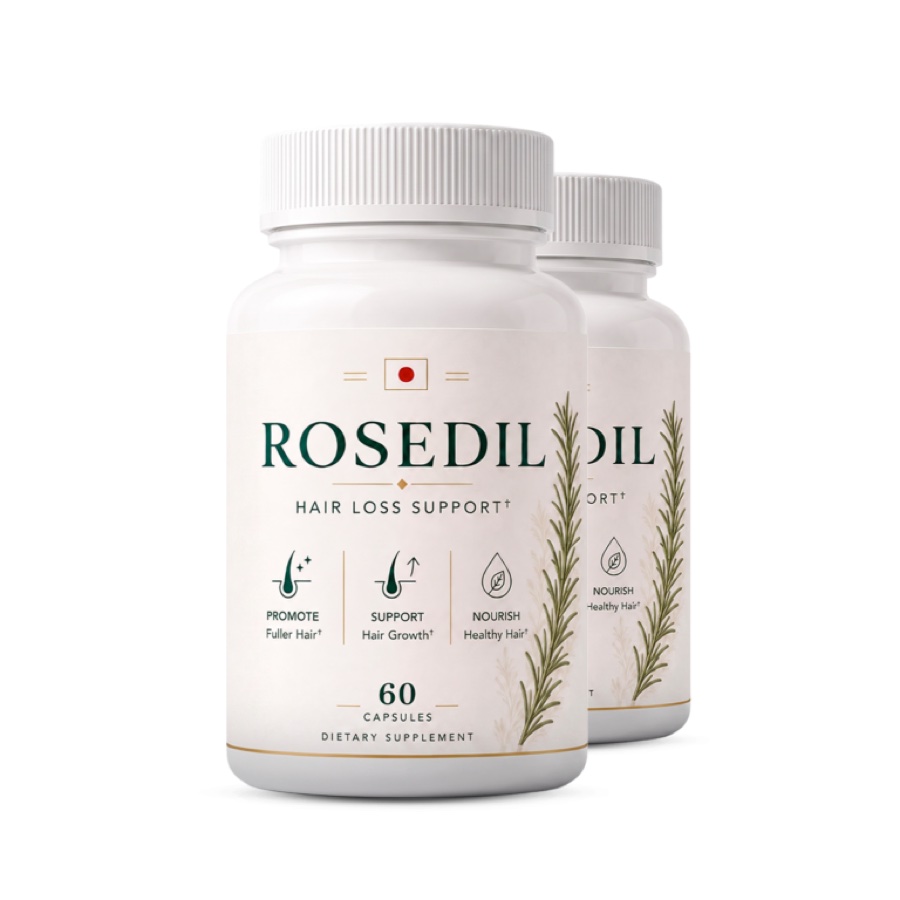 Our reviewRosedil★★★★★★★★★★4.7/5Read our review →
When vitamins help most
Vitamins make the biggest difference when you're low in them. People at higher risk include those on restrictive or vegan diets, women with heavy periods, people after pregnancy, weight-loss surgery or a crash diet, older adults and people with digestive conditions. A simple blood test for iron (ferritin), vitamin D and B12 can show what's missing.
When vitamins won't be enough
Not all hair loss is nutritional. Genetic thinning (male or female pattern hair loss), thyroid disorders, autoimmune alopecia, certain medications and scalp conditions need a doctor's diagnosis. Sudden or patchy hair loss, or shedding with fatigue and weight changes, deserves a visit to your doctor or a dermatologist.
How to choose a hair supplement
Look for a formula with biotin, zinc, vitamin C and B vitamins in sensible doses. Some also include botanicals like horsetail, a natural source of silica. Avoid megadoses of vitamin A and selenium, which can actually cause hair loss. If you take biotin, tell your doctor before blood tests, because high doses can interfere with some lab results.
Habits that support thicker hair
Supplements work best with good daily habits:
- Eat protein at every meal
- Be gentle: avoid tight hairstyles, harsh brushing and too much heat
- Manage stress, which can trigger shedding months later
- Massage your scalp a few minutes a day to boost circulation
- Give any change at least 3 months, since hair grows about half an inch a month
Food first: the best foods for hair
A good diet covers most of what hair needs. Eggs give you protein and biotin, fatty fish brings vitamin D and omega-3s, lean red meat and lentils provide iron, pumpkin seeds and oysters are rich in zinc, and citrus, berries and peppers add vitamin C. Leafy greens supply folate, and nuts and seeds bring vitamin E. If your diet is limited, a supplement fills the gaps, but it works best on top of real food, not instead of it.
Frequently asked questions
What is the best vitamin for hair growth?
It depends on what you're low in. Biotin, vitamin D, iron and zinc are the most common ones linked to hair loss.
How long do hair vitamins take to work?
Most people need at least 3 months to see a difference, because hair grows slowly.
Can too many vitamins cause hair loss?
Yes. Too much vitamin A or selenium can trigger shedding. Stick to sensible doses.
Do hair vitamins work for men?
Yes, when thinning is linked to nutrition. Genetic hair loss in men may need other treatments too.
Rosedil puts biotin, vitamin C, niacin, vitamin B5, B6, zinc and horsetail in two capsules a day, for men and women with thinning hair. See what's inside, what customers say and how the 60-day refund works.
Read our Rosedil review →Sources
- American Academy of Dermatology: Hair loss
- NIH Office of Dietary Supplements: Biotin
- PubMed: Vitamins, minerals and hair loss review
This article is for information only and is not medical advice. Talk to your doctor before changing your diet or starting a supplement.