What oral probiotics are
Probiotics are live bacteria that may benefit your health. Oral probiotics are chosen for the mouth rather than the gut, and they usually come as chewable or melt-in-the-mouth tablets so the bacteria spend time in your saliva instead of going straight to the stomach.
Your mouth is home to hundreds of species of bacteria. Most are harmless or helpful. Problems like gum inflammation and bad breath are linked to an overgrowth of a few troublemakers, and the idea behind oral probiotics is to add friendly strains that compete with them.
How they differ from gut probiotics
Gut probiotics are meant to survive the stomach and settle in the intestines. Oral probiotics are meant to work in the mouth, so the strains and the format are different. Common oral strains include Lactobacillus reuteri, Lactobacillus paracasei, Streptococcus salivarius (K12 and M18) and Bifidobacterium lactis.
What the research says
The evidence is promising but early:
- Bad breath: some small studies found Streptococcus salivarius K12 reduced odor-causing compounds
- Gums: trials with L. reuteri suggest less bleeding and inflammation when used with brushing
- Cavities: a few studies show fewer cavity-causing bacteria, but results vary
- Most studies are small and short, so more research is needed
How to choose one
Look for named strains on the label (not just 'probiotic blend'), the number of live bacteria (CFU), a chewable or dissolving format, and a clear refund policy. Avoid products that claim to cure gum disease.
How to use them
Most are taken once a day after brushing, letting the tablet dissolve slowly. Results, when they come, usually take a few weeks. Keep brushing, flossing and seeing your dentist: probiotics are an extra, not a replacement.
Why your mouth's balance matters
Saliva, food, smoking, medications and even mouthwash change which bacteria thrive in your mouth. When harmful species take over, plaque builds faster, gums get inflamed and breath can turn sour. Antibacterial mouthwashes kill bacteria without choosing sides, which is one reason some people look for ways to support the friendly ones instead. Diet helps too: fiber-rich foods and less sugar give harmful bacteria less to feed on.
Myths about oral probiotics
A few common misunderstandings:
- They don't replace brushing or flossing; plaque still has to be removed mechanically
- Yogurt isn't the same: most yogurt strains are chosen for the gut and pass through the mouth quickly
- More CFU isn't always better; the strain matters more than the number
- They can't fix a cavity or rebuild lost gum tissue
- Results aren't instant; most studies run for at least four weeks
What to expect in the first weeks
Most people notice little in the first days. If a probiotic is going to help, changes like fresher breath or calmer gums usually show up after three to four weeks of daily use. Keep a simple note of how your gums look when you brush and how your breath feels in the morning, so you can judge honestly. If nothing changes after two months, it's reasonable to stop, and a dental check-up is a better next step than switching products again and again.
Who should be careful
People with a weakened immune system, serious illness or a recent surgery should ask their doctor first. Mild bloating is the most common side effect when starting any probiotic.
Frequently asked questions
Do oral probiotics work for bad breath?
Some small studies suggest certain strains, like S. salivarius K12, may reduce bad breath, but results vary from person to person.
Can I take oral and gut probiotics together?
Usually yes. They target different areas. Check with your doctor if you have a medical condition.
When should I take an oral probiotic?
After brushing at night or in the morning, letting it dissolve slowly, is the most common advice.
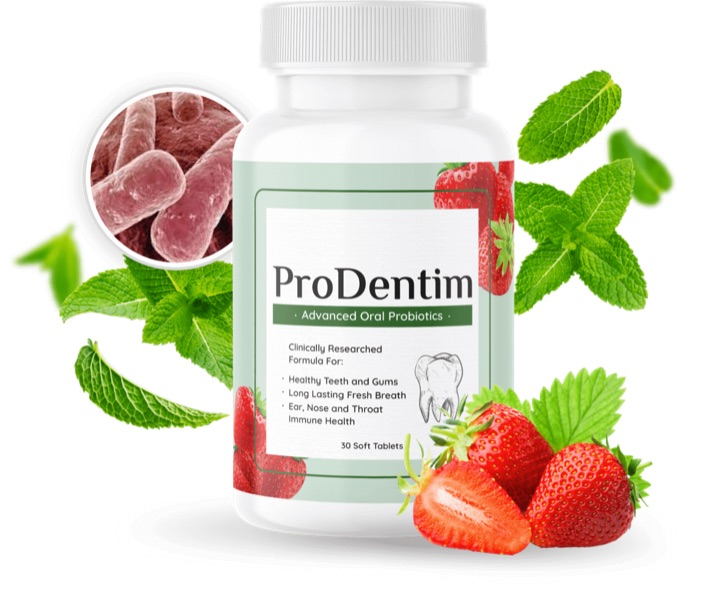
Curious how one of the best-known oral probiotics stacks up? We checked its strains, price and refund terms.
Read our ProDentim review →Keep reading
 Skin, Hair & NailsAthlete's Foot: Symptoms, Treatment and How to Stop It Spreading3 min read
 Dental HealthBad Breath: Causes and How to Get Rid of It for Good3 min read
 Dental HealthBleeding Gums When Brushing: Causes, What Helps and When to Worry3 min read