
What receding gums are
Gum recession is when the gum tissue around a tooth pulls back, exposing more of the tooth or its root. It happens slowly, so many people don't notice until a tooth looks longer or becomes sensitive to cold.
Early signs
Watch for these changes:
- Teeth that look longer than before
- Sensitivity to cold, hot or sweet foods near the gumline
- A notch you can feel where the gum meets the tooth
- Gaps appearing between teeth
- Bleeding or tender gums
Common causes
The main causes are gum disease, brushing too hard, a hard-bristle brush, grinding or clenching your teeth, smoking, hormonal changes and genetics. Crooked teeth and lip or tongue piercings can also play a part.
How to stop it getting worse
Lost gum tissue doesn't grow back on its own, but you can slow or stop further recession:
- Switch to a soft-bristle or electric toothbrush and brush gently
- Floss daily to keep gum disease away
- Ask your dentist about a night guard if you grind your teeth
- Quit smoking
- Get regular cleanings to remove tartar
- Use a toothpaste for sensitive teeth if needed
Treatment options
For moderate or advanced recession, dentists may suggest a deep cleaning (scaling and root planing) or a gum graft, where tissue is placed over the exposed root. Your dentist can tell you which fits your case.
Who is most at risk
Gum recession becomes more common with age, but it isn't only an older adult problem. People who brush aggressively, grind their teeth at night, smoke or chew tobacco, have a family history of thin gums, or had orthodontic treatment are more likely to notice it. Hormonal changes in pregnancy and menopause can make gums more sensitive, and diabetes raises the risk of gum disease, one of the main causes of recession.
How to brush without hurting your gums
The way you brush matters as much as how often:
- Use a soft-bristle or electric brush with a pressure sensor
- Hold the brush at a 45-degree angle to the gumline
- Use small, gentle circles instead of hard back-and-forth scrubbing
- Spend about 30 seconds on each quarter of your mouth
- Don't brush right after acidic foods or drinks; wait about 30 minutes
- Let the brush do the work: if the bristles splay out quickly, you're pressing too hard
Questions to ask your dentist
At your next visit, ask how much recession you have and whether it's stable or getting worse, what's causing it in your case, whether a night guard would help, and whether you need a deeper cleaning. Ask your dentist to measure your gum pockets so you can compare at future visits. Knowing the cause makes it much easier to protect the gum you still have, and many people keep their teeth for life with good care even after some recession.
Can a supplement help?
No supplement regrows gums. Some people add an oral probiotic to support a healthier balance of bacteria and calmer gums, which may help when gum disease is part of the problem. Think of it as support, alongside gentle brushing and dental care.
Frequently asked questions
Can receding gums grow back?
Gum tissue doesn't grow back on its own. Good care can stop it from getting worse, and a dentist can cover exposed roots with a graft.
Does brushing too hard cause receding gums?
Yes, it's one of the most common causes. A soft brush and gentle strokes help.
Are receding gums serious?
They can lead to sensitivity, cavities on the root and, if gum disease is involved, loose teeth. It's worth having a dentist check them.
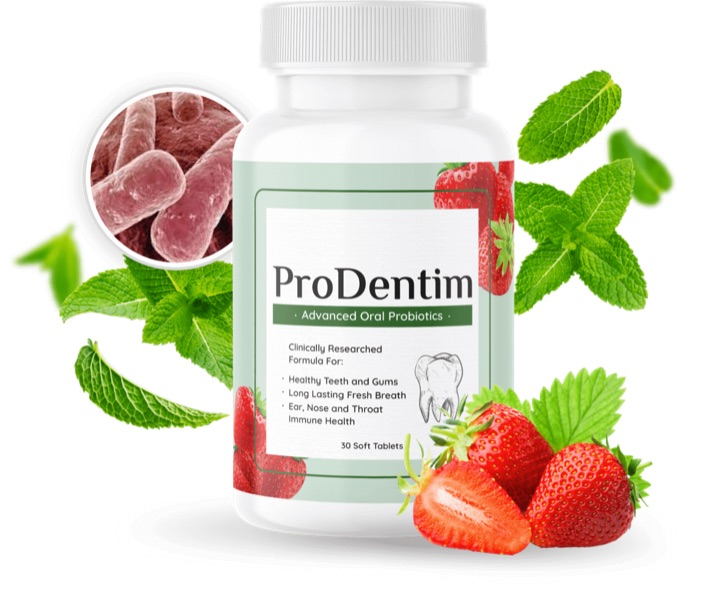
Looking for extra daily support for your gums? See what we found in our review of a popular oral probiotic.
Read our ProDentim review →Keep reading
 Skin, Hair & NailsAthlete's Foot: Symptoms, Treatment and How to Stop It Spreading3 min read
 Dental HealthBad Breath: Causes and How to Get Rid of It for Good3 min read
 Dental HealthBleeding Gums When Brushing: Causes, What Helps and When to Worry3 min read